
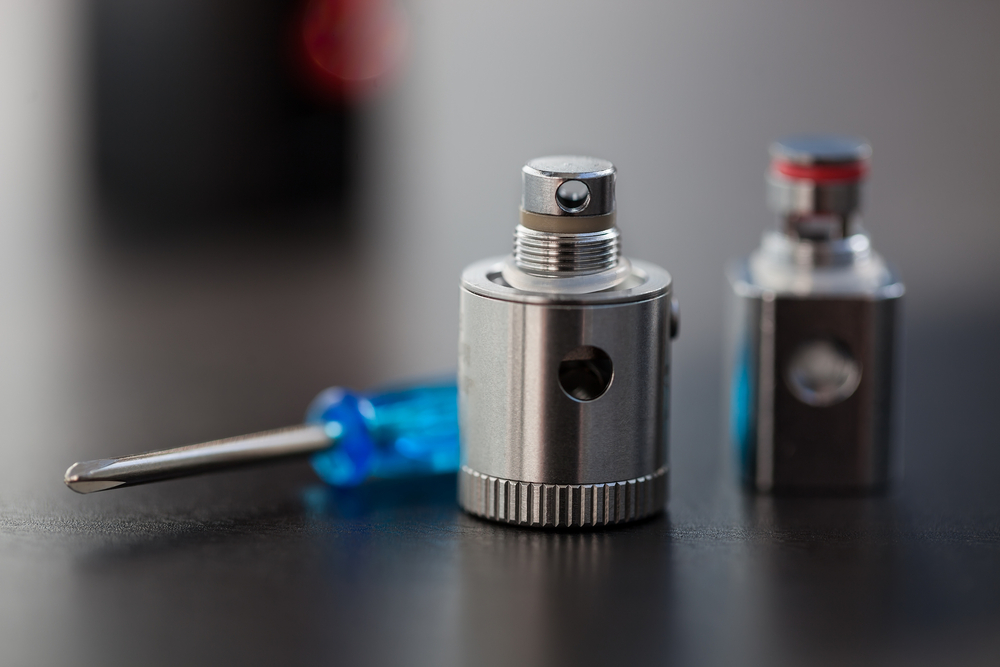
Stepping up to an RDA gives you full control over your cloud production and lets you taste every hidden note in your favorite e-liquid. However, that top-tier flavor completely disappears the moment your RDA coils become heavily coated in dark carbon gunk and caramelized sweeteners. Tossing out a set of premium handmade wires too early wastes perfectly good metal, while running a degraded build for too long ruins your entire experience. Learning to spot the exact moment to pull your old build and install fresh wire is what separates casual hobbyists from true masters of the craft. This direct guide cuts through the guesswork to show you exactly how to manage your build deck like a seasoned pro.
What is an RDA?
A Rebuildable Dripping Atomizer, universally known in the vaping community as an “RDA”, is a highly unique style of vaping hardware that prioritizes raw performance, flavor intensity, and user customization above everything else. Unlike a typical sub-ohm tank or a clearomizer, an RDA completely lacks an enclosed glass reservoir to store large amounts of e-juice. Instead, the user manually drips their vape juice directly onto the exposed heating wires and absorbent wicking material before taking a few puffs. Once those hits consume the e-liquid held by the wick, the user simply drips more liquid onto the deck to continue vaping. This open, direct layout completely eliminates the need for restrictive plastic chimneys or vacuum-sealed glass housings, removing any barriers between the heating element and your mouth.
Looking closely at the physical anatomy, an RDA is constructed from heavy-duty machined metals like food-grade stainless steel, solid brass, or high-purity copper to handle intense thermal environments. The base of the unit features a 510-threaded connection pin on the exterior, while the interior top surface serves as the build deck. This build deck is the foundation where you physically install your heating wires, containing raised metal towers known as posts. These posts feature tiny, machined holes called post holes, along with corresponding hex, flathead, or Phillips screws used to clamp the wire legs firmly into place to complete the electrical circuit. Surrounding the base of these posts is a sunken, hollowed-out groove known as the juice well. This well serves as a small internal basin designed to hold a reserve of excess e-juice, giving the cotton wicks a constant supply of liquid to soak up so you can get multiple deep hits before needing to pull off the top cap to drip again.
The device’s outer shell consists of a metal cylinder called the barrel, which slides down over the build deck and is held securely in place by rubber O-rings. This barrel features specifically positioned cutouts that form the airflow system, which is engineered to draw massive volumes of fresh air directly into the internal chamber. Because there are no glass walls or long tubes blocking the internal space, the incoming air smashes directly into the side or bottom of your glowing wires and carries the vapor straight up through a wide-bore drip tip mouthpiece. This short, direct distance creates a fantastic, unrestrictive airflow path that cools down low-resistance configurations instantly while delivering an unmuted, dense flavor profile that standard tank systems simply cannot replicate.
The inherent versatility of a build deck means that an RDA can be easily configured for either standard vaping or high-powered sub-ohm vaping. A hobbyist looking for a traditional, low-power standard experience can install a single, thin strand of high-resistance wire, closing down the adjustable airflow slots to create a tight, warm draw that operates beautifully at just twelve or fifteen watts. Conversely, a cloud-chasing vaper can build a dual-coil configuration using massive, low-resistance wires that pull immense amounts of electrical current, opening up the airflow slots completely to run the device at well over one hundred watts.
This massive performance range makes these atomizers highly compatible with a wide array of power sources, including regulated box mods that feature internal safety chipsets to monitor resistance and control wattage outputs. They’re also incredibly popular pairings for mechanical mods, including unregulated tube mods and squonk boxes, which feature no protective circuitry and deliver raw battery voltage directly to the deck. When paired with a squonk-compatible box mod, a hollow center pin pushes e-juice directly up into the juice well from an internal squeeze bottle, offering the incredible performance of a dripping deck without the need to carry a separate bottle of e-juice everywhere you go.
The Other Components of an RDA Being Those Coils
The metal barrel, adjustable airflow cutouts, and deep juice wells provide the structural chassis for the atomizer, but the true operational heart of any rebuildable deck is the coil configuration. These wires function as the literal engine of the setup, transforming the raw electrical current supplied by your mod into clean thermal energy to vaporize your e-liquid. Because you are wrapping and installing these heating elements yourself rather than throwing away an entire plastic factory cartridge, you have full control over the metal types, wire shapes, and heating characteristics of your build. These elements are divided into two primary categories based on how they are sourced and constructed.
Pre-Made Coils
Pre-made options are pre-wrapped heating elements that are manufactured by specialized machinery or spun by professional coil builders before being packaged into retail containers. These units arrive at your door completely wound into perfect, uniform loops with straight, extended wire legs that are ready to be dropped straight into your deck posts. They are sold in small plastic vials or metal tins, often featuring complex multi-strand wire styles like Fused Claptons, Aliens, Framed Staples, or Staggered Fused Claptons. These complex configurations wrap ultra-thin outer wires around multiple heavy inner core strands, creating a textured surface area with tiny micro-crevices that trap massive amounts of e-liquid against the hot metal.
Using pre-made items gives you the unparalleled performance of intricate, exotic wire configurations without requiring you to invest hours of your own time spinning raw metal on a desk. They remove the entry barrier for vapers who want the intense flavor definition and massive cloud production of an RDA but lack the manual dexterity or tools required to craft complex wire styles from scratch. To run these, you simply clip the extended legs to the proper length, insert them into the post holes, tighten down your deck screws, and pulse the power to clear out any minor structural shorts before threading your organic cotton wick through the center loop.
Custom Coils
Custom options represent the absolute peak of the DIY rebuildable experience, where the vaper manually builds and shapes their own heating elements from raw spools of wire. A builder selects a raw wire spool in a specific material, such as Kanthal A1 for pure wattage reliability, Nichrome 80 for rapid ramp-up times, or Stainless Steel 316L for a clean flavor profile that works in both wattage and temperature control modes. Using a specialized metal rod called a coil jig or a simple set of precision screwdrivers, the builder manually wraps the raw wire around the rod, carefully counting each individual loop to control the inner diameter and total width of the build.
Crafting your own custom elements opens up an unlimited level of personalization for your daily vaping experience. You can choose the exact thickness of the wire strand, change the spacing between each loop to alter heat distribution, and add or subtract wraps to hit a precise target electrical resistance that safely matches the capabilities of your mod. For users running mechanical mods, wrapping custom elements is an essential skill, as adjusting the physical mass of the wire is the only way to safely regulate the power output and amp draw of an unregulated battery circuit. It demands a solid knowledge of battery safety and basic electrical physics, but it provides a deeply rewarding, highly economical vaping experience that pre-packaged factory options can never truly match.
Timing Your Coil Swaps
The greatest structural benefit of running an RDA is that you don’t have to throw away your entire heating assembly the moment your flavor begins to fade or turn slightly stale. When a build becomes dark and gunky from heavy sweeteners, you can simply pull out the old, saturated organic cotton, pulse the firing button on your mod to incinerate the carbon crust, rinse the bare wire under warm water, and thread fresh cotton through the original metal loops. This refreshing process can be repeated multiple times on a single set of wires, extending their operational lifespan far beyond that of a standard sub-ohm tank module. However, even the highest-grade metal structures will eventually break down due to repeated extreme temperature spikes, physical scraping, and regular metal fatigue.
Grasping the clear distinction between a build that simply needs a quick cleaning and a set of wires that is genuinely dead is essential for protecting your safety and maintaining a premium experience. Running a set of wires far past their prime results in a permanent metallic taste, unstable resistance readings, and poor vapor production that ruins even the best e-juice. By paying close attention to the visual look, structural shape, and electrical behavior of your build deck during your regular re-wicking sessions, you can identify the exact moment to pull the old wire out and start fresh.
Right Time to Swap Out Coils
Your rebuildable deck will always present clear, undeniable physical warning signs when the installed metal has reached the end of its functional life. Pay close attention to how the metal reacts during a dry-burn cleaning session, and look out for these specific indicators that tell you it is time to discard the old build:
- Permanent Metal Oxidation and Surface Pitting: After multiple weeks of intense heating and cooling cycles, the outer surface of the wire will undergo chemical changes and react with oxygen. If your coils retain a dull, dark gray, or heavily pitted appearance even after you dry-burn the carbon crust away and rinse the deck, the metal is structurally degrading and will permanently impart a harsh, rusty taste to your e-liquid.
- Severe Structural Warping and Brittle Loops: The extreme thermal stress of high-wattage vaping slowly weakens the physical temper of stainless steel, nichrome, and Kanthal strands. If you notice that the individual loops of your alien or clapton wires have begun to sag, warp out of a round shape, or thin out to the point where they look crooked, the wire has lost its structural integrity. These deformed loops create uneven electrical paths, leading to persistent hot spots that will instantly char your fresh cotton wicking material.
- Uncontrolled Resistance Fluctuations on Your Screen: A healthy, properly installed rebuildable build should hold a completely steady electrical resistance reading on your regulated box mod. If your screen shows a resistance value that jumps wildly up and down by 0.10 Ω or 0.20Ω every time you press the firing button, the internal core strands of your wire have fractured or cracked. This unstable internal structure creates a highly unpredictable electrical circuit that can cause dangerous current spikes, making the build entirely unsafe to run on an unregulated mechanical mod.
- Physical Fracturing or Snapping of the Coil Legs: The thinnest and most vulnerable zones on any rebuildable build are the wire legs that’re clamped down underneath the post screws. The mechanical pressure of tightening the screws, combined with physical adjustments made with ceramic tweezers over several weeks, creates localized stress concentrations that make the metal brittle. If a leg fractures or snaps entirely while you are pulling out old cotton or tightening a loose screw, the electrical circuit is broken, and the build must be replaced immediately.
- Incurable Hot Spots on Complex Multi-Strand Wires: Over time, the microscopic outer wrapping strands on complex configurations like fused Claptons can break or separate from the inner core wires due to thermal expansion. This structural separation creates a permanent internal short circuit within the wire assembly itself that cannot be scraped or massaged out with your tweezers. That specific spot will glow a violent red-hot color the instant power is applied, constantly scorching your cotton and ruining your flavor profile on the inital hit.
Wrong Time to Swap Out Coils
Since an open build deck is completely exposed to your eyes, minor visual changes and simple configuration errors can easily fool you into thinking a build is dead when it actually has weeks of life left. Before unclamping your post screws and throwing away a premium set of wires, check for these common false alarms that’re easily fixed in a few seconds:
- A Heavy Coating of Black Carbon Gunk: Seeing your pristine silver wires turn completely pitch-black after a single day of vaping a sweet dessert e-juice is a regular occurrence, not a sign of hardware failure. This black crust is simply caramelized sugar sitting on top of the wire, which can be easily cleared away by removing the cotton, pulsing your box mod at a low wattage until the metal glows orange, and dipping the deck into water to blast the residue away.
- Loose Post Screws Causing Unstable Resistance Readings: Do not immediately assume that a jumping resistance reading on your mod screen means the internal wire structure is broken. The intense heat cycles of daily vaping cause the metal posts and screws to expand and contract, which naturally backs the post screws out of their threads over time. Simply taking a screwdriver or a hex key and tightening the deck screws down firmly against the wire legs will instantly stabilize your resistance reading and restore perfect connectivity.
- A Sudden Dry Hit From a Dehydrated Juice Well: Experiencing a harsh, dry, cottony blast that burns your throat does not automatically mean your wire has given up the ghost. Because an RDA does not feature clear glass walls to show your remaining liquid level, it is easy to forget to drip until your wicks run completely dry. Pouring a fresh layer of your favorite e-juice directly onto the exposed cotton and letting it saturate for a few seconds will bring your flavor profile back to normal immediately.
- Minor Uneven Heating or Initial Hot Spots: If a fresh build glows unevenly or shows a bright red line on one side when you first fire it, the metal is not defective. This is a natural physical characteristic of touching-coil configurations, and it is easily resolved by gently strumming the loops with ceramic tweezers or compressing the sides until the wire glows smoothly from the inside out.
- E-Juice Spitting and Loud Popping Noise: Intense crackling and hot droplets of liquid jumping off the build deck usually indicate that your cotton wick is pulled too loose inside the center loop. When the cotton’s too thin, liquid pools inside the empty gaps against the wire and boils aggressively instead of vaporizing cleanly, a common issue that requires a simple re-wick with a thicker strip of cotton rather than brand new wire.
Owning the Rebuildable Vaping Craft
Taking charge of your rebuildable atomizer means moving past lazy maintenance routines and paying close attention to the real state of your metal. High-performance dripping is a hands-on experience where your taste buds and your build deck tell you the exact condition of your wire. Swapping out a premium set of coils over a simple layer of surface gunk wastes valuable building supplies; while dragging out a warped, oxidized build compromises your safety and flavor. Maintain your favorite e-liquid saturation on a freshly wicked deck, dial your box mod or mech mod to the perfect sweet spot, and claim the rich performance you can only get from a tuned RDA. Once you grasp the subtle signals of your wire, you control the quality of every single cloud you produce.