
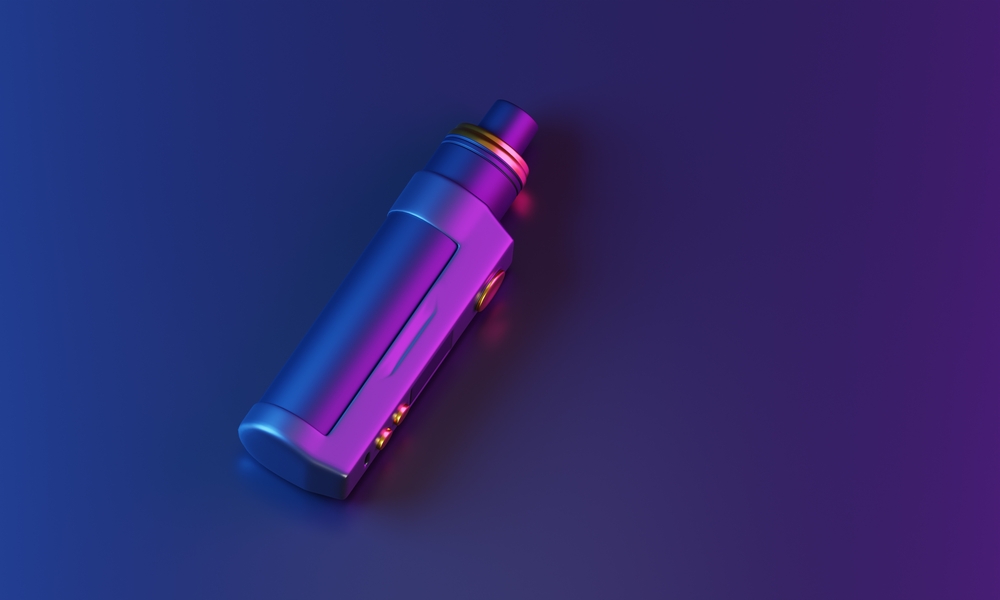
You've probably picked up a brand-new pod mod kit expecting thick clouds and bold taste from your pod tank, only to end up with a wispy draw or an unexpected coughing fit. Getting your rig dialed in isn't black magic, but it does take more than just filling a reservoir and pushing a button. Small tweaks to your setup can transform a harsh, mediocre pull into a smooth, satisfying session that hits every note right on point. When knowing what to listen and feel for during an inhale, tuning your hardware stops feeling like a game of chance. You'll be picking up on those subtle mechanical cues in no time so you can score peak performance every single time you puff.
The Core Pillars: Airflow, Throat Hit, and Flavor
When you pull on your device, three primary mechanics determine whether your draw feels great or falls flat: airflow, throat hit, and flavor. They don't work independently from each other. In fact, think of them as three legs of a tripod supporting your whole experience. Shift one setting, and the other two will react instantly. If you dial back your air intake without lowering your power, your coil heats up faster, sharpening the throat kick and warming up the vapor. Turn the power up too far without giving the coil enough fresh air, and you'll burn through your wick while cooking off the delicate flavor compounds in your e-liquid. Mastering your hardware means getting these three variables to work together in harmony.
How Airflow Controls Vapor Temperature and Density
Air intake serves as the primary cooling system inside your pod tank. As you draw on the mouthpiece, fresh outside air gets pulled through the intake channels near the base of the tank housing. That incoming air sweeps into the central chamber, picking up vaporized liquid right off the surface of your heated coil mesh before carrying it up through the chimney.
The amount of air flowing through that chamber directly controls the warmth, thickness, and volume of the vapor reaching your mouth. Wide-open air channels bring in a massive stream of room-temperature air. This keeps the internal coil cool, resulting in cooler, larger clouds that feel light on the palate. However, that high volume of incoming air can dilute the vapor concentration if your wattage isn't high enough to keep pace. On the flip side, closing down the airflow ring restricts incoming air, trapping heat inside the coil housing. That restricted draw produces a much warmer, denser vapor stream that concentrates the liquid, though it requires careful wattage management to avoid scorching your cotton.
The Mechanics Behind Throat Hit Intensity
Throat hit refers to that distinct physical sensation or satisfying punch felt in the back of your throat as you inhale. Some people prefer a gentle, silky draw, while others want a firm, pronounced hit that feels punchy and bold. That physical kick comes down to three main factors: your nicotine type, liquid ratio, and vapor warmth.
Freebase nicotine offers a sharper, more noticeable throat kick compared to nicotine salts, especially when you step up to six milligrams or higher. The ratio of propylene glycol (PG) to vegetable glycerin (VG) in your e-liquid also plays a huge role. PG is a thinner liquid that carries flavor effectively and creates a distinct throat sensation, whereas VG is thick and sweet, producing smooth, dense clouds with very little throat bite. Temperature acts as the final amplifier. Higher wattages combined with restricted airflow raise the vapor temperature, turning a mild throat feel into a robust, punchy draw. If your draw feels too soft, raising your PG ratio, closing down your air intakes slightly, or nudging your power up a notch will immediately sharpen that hit.
Extracting Pure and Uncompromised Flavor
Flavor extraction relies heavily on how cleanly your coil heats your e-liquid without burning the delicate aromatics inside the bottle. E-liquid flavorings are complex chemical blends, and different flavor profiles vaporize best at varying thermal points. Fresh fruit and menthol notes usually shine at lower wattages with moderate airflow, while rich desserts, creams, and bakery flavors need extra heat to fully open up.
When your hardware operates at its peak, every pull delivers clear taste on the initial inhale followed by a distinct, pleasant finish on the exhale. If your air intakes are wide open while running low power, the excess air dilutes those delicate flavor notes, leaving you with a watered-down taste. Conversely, running high wattage with choked-off air cooks your liquid instead of vaporizing it smoothly, resulting in a bitter, burnt, or artificial taste. Getting true, crisp flavor requires a clean coil wick, consistent liquid saturation, and an air setting that matches your coil's thermal output.
Defining the Pod Tank: Beyond the Basic Cartridge
To get the absolute best performance from your pod mod setup, you need to understand what makes a pod tank unique. Many people lump pod tanks into the same category as standard pod cartridges, but they're built on completely different engineering concepts. Knowing these distinctions helps you take full advantage of your hardware's capabilities.
Structural Differences Between Pod Cartridges and Pod Tanks
A standard pod cartridge is typically a simple, lightweight plastic shell designed for basic pocket devices. These cartridges usually feature built-in, non-replaceable coils, fixed airflow holes molded right into the plastic, and relatively small e-liquid capacities. Once the coil inside a basic pod cartridge dies, you throw the whole plastic pod away and snap in a new one. They're built primarily for low-wattage operation, convenience, and high-nicotine salt liquids.
A pod tank, on the other hand, is a versatile, high-capacity hybrid unit built to deliver heavy-duty tank performance on pod mod hardware. Pod tanks feature removable, push-to-fit or threaded coil heads, robust adjustable airflow control rings, and high-grade plastic or glass reservoirs holding four to six milliliters of liquid. Instead of throwing the whole tank away when your coil degrades, you simply swap out the internal coil head for a fresh one while keeping the main tank body intact. They also handle a far wider range of coil resistances, allowing you to run low-resistance mesh coils for high-wattage sub-ohm vaping or higher-resistance coils for tight mouth-to-lung draws.
How Pod Tanks Integrate with Modern Pod Mods
The real magic of a pod tank lies in how it connects to your device and handles high power output. Most pod tanks feature a strong magnetic base that snaps directly into the housing of a pod mod, giving you a secure fit without troublesome thread alignment. Many manufacturers also offer optional 510-threaded adapter bases for their pod tanks. This adapter lets you unscrew the pod tank from its magnetic pod mod base and screw it directly onto a standard high-wattage box mod.
This hybrid compatibility gives you incredible flexibility with your daily setup. You get the fast refill access and drop-in convenience of a pod system paired with the precise airflow control and raw power handling of a traditional sub-ohm tank. Because pod tanks use advanced mesh coil structures with large liquid intake ports, they wick thick 70VG or 80VG e-liquids effortlessly without dry hits. Whether you're firing at twenty watts for a tight, discrete draw or cranking things up to sixty watts for large cloud production, a pod tank gives you the hardware headroom needed to fine-tune your draw.
Evaluating Your Pod Tank for Maximum Performance
Once you've got your pod tank loaded up and attached to your pod mod, it's time to evaluate how well it's firing. Achieving peak vapor quality requires testing your air channels, throat response, and flavor output to make sure every part of your setup is operating efficiently.
Diagnosing Your Airflow Settings for Smooth Vapor Delivery
Your airflow control ring is your primary tool for balancing vapor temperature and draw resistance. Finding the right setting requires paying close attention to how air travels through the pod tank during an inhale.
To verify your air intakes are dialed in correctly for your coil resistance, watch for these operational signs:
- Listening for a clean acoustic profile: A well-adjusted air ring lets air glide smoothly through the base channels without generating high-pitched whistles, harsh turbulence, or liquid gurgling inside the chimney.
- Checking for stable vapor density throughout the draw: Your pull should feel completely consistent from the moment you press the firing key to the end of your inhale, rather than starting weak and suddenly surging with heat.
- Monitoring chamber heat and mouthpiece comfort: The drip tip and top cap should remain comfortable against your lips during normal three-second draws, proving that incoming air is cooling the coil effectively.
If you hear a whistling sound when taking a drag, your intake slots are likely partially misaligned or blocked by minor condensation buildup. Take the pod tank off your mod base, wipe down the air ring with a clean paper towel, and adjust the air slots slightly until the drag sounds smooth and quiet. If your vapor feels thin or airy, close the intake control ring a small fraction at a time while keeping your wattage steady. This reduces excess room air, concentrating the vapor mist and boosting warmth. If the mouthpiece gets uncomfortably hot against your lips, open the air slots wider to increase cooling air, or dial down your device's wattage by a few watts.
Tuning Throat Hit to Match Your Personal Preference
Throat hit should always match your individual taste. Whether you want a punchy, aggressive draw or a silky-smooth inhale, your pod tank can be adjusted to hit your ideal target.
Determine if your setup is delivering the right throat kick by evaluating these physical indicators:
- Testing for a firm yet comfortable punch: The sensation in the back of your throat ought to feel crisp and satisfying without causing raw scratchiness, harsh coughing, or a sharp burning feeling.
- Verifying nicotine strength against your coil resistance: High-nicotine formulas or freebase blends ought to deliver a satisfying kick on sub-ohm pod coils without requiring you to push wattage beyond recommended limits.
- Adjusting power levels to balance warmth and impact: Step your wattage up or down in tiny two-watt increments while keeping your air intake steady to hit that precise sweet spot where throat punch feels natural.
When your throat hit feels scratchy or uncomfortable, the issue usually stems from a mismatch between liquid strength and coil power. Running high-nicotine freebase liquids at elevated wattages on sub-ohm pod coils generates intense, unpleasant throat irritation. To smooth out a harsh draw, switch to a lower nicotine strength or use an e-liquid with a higher VG percentage (such as 70VG/30PG). If you're using nic salts, make sure you're firing them on high-resistance coils at lower wattages. Conversely, if your throat hit feels nonexistent or weak, check your air intake ring. Excessively open airflow dilutes the vapor stream so much that physical throat sensation disappears entirely. Closing the air slots slightly concentrates the vapor density, giving you a firmer, far more punchy draw.
Evaluating Flavor Clarity and Depth
Flavor is the true test of a properly calibrated pod tank setup. When your wattage, air intake, and liquid supply align correctly, your e-liquid will taste bright, clean, and true to its flavor profile.
Confirm that your pod tank is extracting maximum flavor clarity by looking for these key signals:
- Identifying distinct flavor notes on the exhale: Your e-liquid should reveal its full profile, letting you pick up subtle secondary tones as you exhale rather than just a flat, single-note sweetness.
- Watching out for muted or burnt undertones: A properly saturated wick delivers fresh, bright taste without dry, papery hits or dull, metallic aftertastes that point to poor liquid flow.
- Managing e-liquid viscosity and wicking speed: Thicker 70VG formulas require adequate time to soak into the cotton between draws, while thinner liquids need tighter airflow to prevent oversaturation and deck flooding.
If your e-liquid tastes dull or muted on a relatively fresh coil, you might be dealing with coil flooding. This occurs when liquid enters the coil chamber faster than the wire can vaporize it, causing a pool of excess liquid to sit on the mesh heating element. To clear a flooded coil, raise your power output by two or three watts within the coil's recommended wattage range, or take a few firm pulls to vaporize the pooled liquid. On the flip side, if you catch a dry or papery taste at the end of an inhale, your cotton wick is drying out faster than it can pull fresh liquid from the reservoir. This means your wattage is set too high for the thickness of your liquid, or your air intake is choked off too far, causing the coil to overheat. Step your wattage down immediately, let the pod tank sit for a minute to re-saturate the wick, and make sure your e-liquid viscosity matches your installed coil resistance.
Locking in Your Ideal Daily Draw
Finding that sweet spot with a pod tank isn't about chasing theoretical perfection, but rather getting your air intake, throat impact, and flavor output to work in complete sync. When you pay attention to how your device sounds, feels, and tastes on every drag, small adjustments to your wattage or air ring will yield immediate improvements. Taking a systematic approach transforms your pod mod from a basic gadget into a tailored setup that delivers a reliable, rich draw every single day. Once you hit that perfect balance, you won't ever have to settle for weak clouds or muted taste again.