
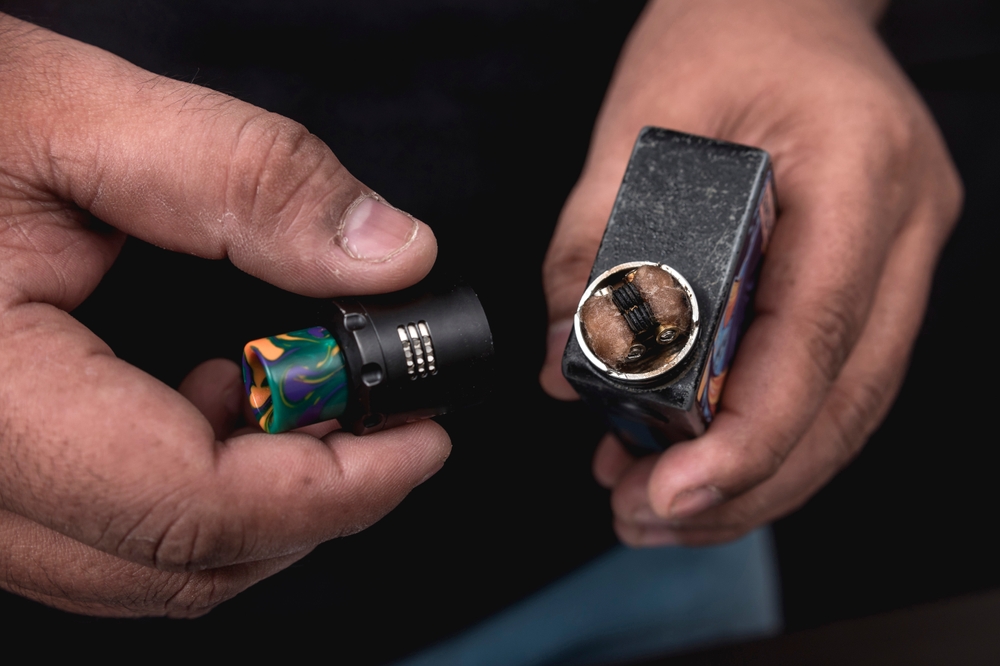
Exploring the world of high-end RDTAs opens up a whole new world of performance for flavor chasers and cloud builders alike. This unique style of hybrid hardware blends the intense vapor quality of a dripping deck with the massive convenience of a steady liquid reservoir. While wrapping the perfect coil wire configuration feels like the main event, maintaining the structural seals of your tank is what keeps the session running cleanly. These tiny flexible rubber rings known as O-rings manage the internal physics of your tank, locking your favorite flavors inside while preventing messy leaks. Discovering how to read the physical condition of these gaskets gives you the confidence to run your setup at peak output without wasting spare parts.
What is an RDTA?
An RDTA stands for Rebuildable Dripping Tank Atomizer – a fascinating hybrid option that combines the absolute best traits of a dripping deck and a traditional tank into one single device. For a long time, hardware fell into two separate categories: you either chose a standard sub-ohm vape tank with factory-made drop-in coils and a glass shield, or you picked an open RDA deck where you had to manually drip liquid onto your raw wicks every few puffs. This hybrid design shatters that boundary by positioning a fully functional, open build deck directly on top of a multi-milliliter liquid storage reservoir. Instead of your wicks sitting inside an enclosed chimney like a standard tank, your coils remain exposed right below the mouthpiece while your cotton tails drop straight through specialized cutouts in the deck floor into the liquid pool below. This structural inversion creates an incredibly clean vaping experience because it uses natural capillary action to pull juice upward into the heating zone whenever you take a puff.
The physical anatomy of these setups is a marvel of precision metalwork and glass configuration. Most modern options feature outer frames machined from robust stainless steel, brass, or aerospace titanium, ensuring the chassis resists both corrosion and accidental damage from daily drops. Diameters vary depending on your preferences, though twenty-four and twenty-five millimeters serve as the sweet spot for most standard mods, with wider twenty-eight and thirty-millimeter variations existing for specialized high-power setups. The shape is defined by the dual-level presentation, featuring a solid metal top cap covering the post terminals and a clear borosilicate or quartz glass reservoir protecting the fluid supply beneath the deck floor. This dual-layer architecture means you never have to guess when your fluid is running low, as the exposed glass sleeve gives you an immediate look at your remaining levels.
Because these setups are engineered for premium performance, they rely completely on sub-ohm coils, meaning the installed heating wires operate at an electrical resistance level far lower than 1.0Ω. This low electrical resistance demands rapid power transfer, which turns the device into a high-output engine capable of producing dense, rich vapor clouds in a split second. The massive open build deck gives you the freedom to install intricate multi-strand wire wraps or specialized flat mesh strips that maximize the heated surface area touching your cotton wicks. To keep these low-resistance configurations cool during long draws, the top caps feature open, direct airflow slots positioned straight across from the heating elements. This straight-shot air path eliminates the restrictive internal pathways found in typical clearomizers, creating an incredibly smooth, unrestricted draw that carries the raw flavor profile directly to your tongue without any dilution.
This unique combination of a spacious build deck, rapid sub-ohm vaporization, and open airflow control makes this style of atomizer perfectly compatible with advanced box mods and classic mechanical mods. A regulated dual-battery box mod is an exceptional pairing, providing an onboard computer chipset that lets you adjust the wattage output to match the thickness of your wire wraps while offering essential safety protections like short-circuit detection. On the opposite side of the spectrum, placing this hybrid hardware on a solid copper mechanical mod appeals heavily to purists who enjoy a raw, unregulated electrical experience. In an unregulated configuration, pressing the physical switch connects the battery terminal directly to the atomizer 510 pin, sending pure, unthrottled voltage straight to your sub-ohm wraps based entirely on the mathematical resistance of your build. This harmony between heavy-duty power sources and open-chassis atomizers delivers a highly responsive, custom experience that completely outclasses standard retail setups.
The Other Components of an RDTA Being Those O-Rings
While the heavy post terminals and custom wire configurations represent the heavy lifting of the vaporization process, the entire hybrid apparatus relies on a small network of flexible rubber rings to function properly. These small gaskets are strategically fitted into machined recesses at every single point where separate metal, glass, and plastic components meet. Usually manufactured from durable compounds like nitrile rubber, flexible silicone, or fluoropolymer elastomers, these rings are engineered to maintain a strong physical barrier while constantly submerged in sweet flavor concentrates and hot vegetable glycerin carrier fluids. You will locate these crucial seals wrapping the base of the drip tip, lining the top cap adjustments, sealing the borders of the quartz glass tube, and surrounding the threaded deck connection.
The job description for these rubber rings is incredibly demanding due to the specific top-deck layout of a hybrid atomizer. Because the liquid reservoir sits completely below the heating elements rather than enclosing them, tilting the device horizontally or carrying it upside down in your pocket places the entire weight of the fluid directly against the upper joints of the tank. The O-rings must create a perfect, airtight compression seal that completely isolates the fluid reservoir from the open air channels of the top deck while still allowing you to remove the outer sleeve easily when it comes time to clean your posts. If these seals are working perfectly, they maintain a stable internal pressure balance inside the glass capsule, preventing liquid from flooding the post deck or spilling through the open air intake slots. This pressure management is why a hybrid setup can ride in a cup holder or pocket without turning your mod into a sticky, fluid-covered mess.
Over a long day of regular operation, these rubber rings face continuous physical wear from multiple directions. Every time you twist the top cap to adjust the volume of incoming air or pull the outer sleeve away to re-wick your sub-ohm coils, you slide machined metal edges directly across the soft outer surface of the rubber. This ongoing friction can slowly stretch, roll, or slice the gaskets, especially if the surfaces lack a thin film of juice to lubricate the movement. Furthermore, certain aggressive e-liquid flavor profiles containing heavy citrus extracts, spicy wintergreen, or intense natural menthols possess natural chemical properties that can gradually soften or swell standard silicone rings over time. When a single seal along the main deck interface or the glass sleeve degrades even a fraction of a millimeter, the internal pressure balance shatters, causing liquid to seep into the air channels or run down the sides of your power source.
Timing When You Change the RDTA’s O-Rings
Managing the condition of your hybrid seals requires a good balance of active inspection and practical timing. You don’t want to wait until a complete seal failure floods your expensive box mod electronics, nor do you want to break down your entire tank setup every single week just to throw away perfectly good rubber rings out of paranoia. Developing a solid eye for the physical state of your gaskets makes it simple to execute your maintenance routines at the ideal moment.
Right Time to Change O-Rings
Catching a degrading seal before it turns into a major failure protects your hardware asset and keeps your vapor quality completely consistent. Inspecting your rubber gaskets closely during your regular cotton swaps reveals clear physical indicators that scream it is time to grab your spare parts baggy and install a fresh set:
- Visible cuts, nicks, or missing pieces along the rubber edge: Rough machining on the inner metal cap or sharp edges on a replacement glass sleeve can slice straight into the soft compound during assembly, leaving permanent channels where liquid can slip past the barrier.
- The loop sags out of its machined channel or grows too large to fit the track: Long exposure to the intense heat radiating from low-resistance sub-ohm coils can break down the elasticity of the synthetic rubber, causing the ring to expand permanently and pinch whenever you press the cap down.
- A complete absence of resistance when putting the tank sections together: When a seal flattens out completely due to age and continuous compression, it can no longer push outward against the glass or metal cap, causing the outer cap to slip off under its own weight or spin without stopping.
- Persistent fluid weeping along the main joint where the glass meets the metal deck: Finding a constant ring of e-liquid gathering around the lower seam of the atomizer confirms that the internal pressure vacuum has broken down, allowing liquid to escape past the compressed boundary.
- The rubber material develops a hard, brittle texture that cracks when flexed: Over months of use, the constant heating and cooling cycles dry out the internal plasticizers, shifting a flexible, soft gasket into a stiff ring that breaks into pieces during a basic teardown.
Wrong Time to Change O-Rings
It’s incredibly common for enthusiasts to mistake minor operational quirks for major hardware failures, leading to unnecessary component replacements. Before you pull apart your entire hybrid chassis and throw away a healthy set of gaskets, check to see if your issue matches these common false alarms:
- The top cap or airflow adjustment ring feels incredibly stiff or locked in place: This sudden friction is almost always caused by a total lack of fluid lubrication rather than a bad seal, which can be fixed instantly by wiping a single drop of pure vegetable glycerin across the dry rubber track.
- A strong fruit or menthol taste carries over into a newly added e-liquid profile: Residual flavor molecules from dark desserts or heavy spices can temporarily cling to the outer layer of the rubber, meaning your setup simply requires a brief soak in warm soapy water rather than a total hardware replacement.
- A small gathering of tiny moisture drops inside the open airflow slots: High-powered sub-ohm configurations naturally generate normal condensation as hot vapor cools down against cold stainless steel walls, which is an expected byproduct of heavy cloud production and only requires a quick wipe with a cloth.
- The glass tube spins slightly right after you complete a fresh build on the deck posts: This loose fit generally indicates that the central chimney piece has not been threaded completely down into the base, meaning the metal frame simply needs a final turn to apply proper compression to the existing rings.
- Following a rigid calendar timeline that forces you to discard your parts every few weeks: High-grade synthetic seals can easily survive many months of constant use without losing their shape, making routine calendar swaps a complete waste of your spare parts inventory.
Commanding Peak Hybrid Performance
Embracing the advanced dual-level layout of a hybrid atomizer lets you command a remarkable balance of dripping-grade flavor and worry-free liquid capacity throughout your busy day. Protecting that high-output sub-ohm performance depends entirely on keeping those small rubber seals in prime operating condition to preserve the vital internal pressure of the reservoir. Learning to read the real mechanical signs of wear ensures you never waste time on unnecessary tear-downs while keeping your favorite box mods safe from unexpected fluid paths. Taking a moment to treat your hardware with proper lubrication secures a leak-free, high-density session every single time you activate your power switch.