
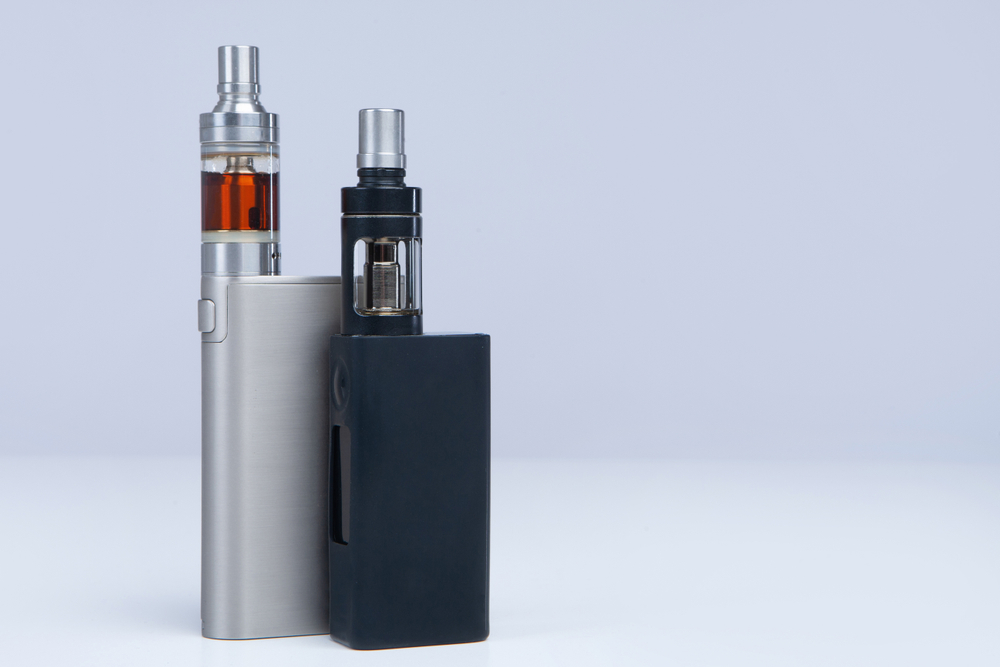
Finding the right match between your hardware components makes the difference between an average vape session and a consistently solid daily setup. Today’s box mods pack plenty of power, but pairing them with a mismatched tank often leads to burnt coils, leaking liquid, and frustration. Standard vape tanks operate within specific power envelopes that require precise handling from your mod's internal board. When you stick with the recommended pairings, you dodge common technical headaches while getting the exact vapor production you expected. And so, setting up your gear correctly from day one gives you total control over your experience without forcing you into constant troubleshooting.
Decoding the Standard Vape Tank Architecture
Before diving into hardware compatibility, it helps to clear up what a standard vape tank actually is. In the early days of vaping, almost every tank fell into a single category. Today, the market separates gear into distinct hardware classes, with sub-ohm tanks dominating one side and standard tanks holding down the other. People often confuse the two or assume any glass reservoir sitting on top of a battery mod does the same job, but their internal engineering serves completely different styles of vaping.
A standard vape tank is engineered around higher electrical resistance, narrower airflow pathways, and lower wattage demands. Where sub-ohm tanks use ultra-low resistance wire coils designed to vaporize massive amounts of liquid at high heat, standard tanks operate on a far more controlled scale. These tanks usually run atomizer coils rated at 0.8 ohms or higher, often stretching up to 1.8 ohms. Because the wire mass inside these coil heads is smaller, they don't require massive bursts of raw wattage to get up to operating temperature. You'll typically run a standard tank anywhere between 8 and 25 watts, compared to sub-ohm gear that easily demands 50 to 100 watts or more.
The internal geometry of a standard tank also plays a massive role in how it delivers vapor. The chimney section running up the center of the tank features a tighter diameter, restricting the volume of air that passes through the chamber. This tighter channel creates a mouth-to-lung or restricted direct-lung draw, concentrating flavor without needing an ocean of airflow to cool down the coil.
The mechanical design of a standard tank breaks down into a few specific characteristics:
- Coil Resistance Boundaries: Atomizer coils sit above sub-ohm thresholds, requiring modest wattage levels to heat up effectively.
- Airflow Intake Geometry: Internal air channels are narrower to create a firm intake resistance that mimics a tight draw.
- E-Liquid Viscosity Tuning: Liquid ports inside the atomizing chamber are sized for thinner liquid blends, keeping wicks wet without drowning the coil.
- Power Envelope Demands: Low operational wattages reduce battery draw and minimize overall heat buildup across the top of your mod.
Because of these specific traits, standard tanks perform best with thinner e-liquids, such as 50/50 VG/PG or 60/40 VG/PG ratios. If you drop a high-viscosity, heavy VG liquid into a standard tank, the small wicking ports won't absorb the fluid fast enough, leading to dry hits. Conversely, if you put thin liquid into a high-powered sub-ohm tank, it'll flood the deck instantly. A standard tank stays locked into its lane, prioritizing clean flavor delivery and efficient liquid use over massive cloud output.
How Standard Tanks Interface with Box Mods
Box mods are essentially regulated power stations. They house a chipset, a display screen, control switches, and one or more rechargeable batteries. The main job of a box mod is to take raw battery power, convert it into a stable voltage, and feed it through the threaded 510 connector at the top plate. While box mods are built to be versatile, they aren't magic boxes that instantly fix bad hardware combinations.
When you screw a standard tank onto a box mod, a few critical mechanical and electrical connections take place. First, the male 510 threads on the base of the tank mate with the female threads on the mod's top cap. Inside that connection, a center pin—usually brass or gold-plated copper—makes contact with the mod's spring-loaded positive pin. This physical contact completes the circuit. The moment you press the fire button, the mod's chipset reads the static resistance of the coil wrap inside the tank and determines how much voltage to send down the wire.
Box mod chipsets use Ohm’s Law calculations to manage output. When a standard tank with a 1.2-ohm coil is attached, the mod realizes it doesn't need to dump high amperage through the circuit to reach your target wattage. It converts high battery voltage down to a smooth, lower amp output. This creates a balanced electrical circuit where the board operates efficiently without straining its capacitors or running hot.
Physical fitment matters just as much as electrical communication. Standard tanks come in various outer diameters, usually ranging from 19mm up to 24mm. Most modern box mods feature wider top caps built to accommodate larger tanks, but standard tanks sit flush on these bases without hanging over the edge. More importantly, the length of the tank’s center pin must match the depth of the box mod’s 510 socket. Recommended standard tanks are built to industry-standard tolerances, ensuring the positive pin makes firm contact without crushing the mod's internal spring or leaving a wobbly gap at the base.
Thermal dynamics also play a massive role in how these two pieces of hardware interact. Every time an atomizer coil heats up, residual thermal energy travels downward through the metal base of the tank into the top cap of the mod. Because standard tanks operate at low power levels, they generate far less ambient heat than sub-ohm atomizers. This keeps your box mod cool during extended use, preventing heat from soaking into the internal circuit board or warming up the battery bay.
5 Reasons to Always Use the Recommended Standard Vape Tank(s) For Your Box Mod
Now that you know what defines a standard tank and how it pairs with a power source, it becomes clear why matching your gear matters. Grabbing any random tank off a shelf might seem fine on paper, but sticking with the recommended standard vape tank for your specific mod setup yields tangible benefits for performance, safety, and longevity.
Reason #1: Optimal Power Calibration and Board Stability
Regulated box mods rely on microprocessors to deliver clean power to your coil. When you pair your mod with its recommended standard tank, you operate within the exact resistance range the chipset was programmed to handle most efficiently. Standard tanks present a stable, higher resistance load that allows the mod's pulse-width modulation system to deliver steady voltage without erratic spikes.
If you throw a mismatched atomizing setup onto a box mod, the board often struggles to find its footing at low wattage settings. Some chipsets down-step voltage poorly, resulting in stuttering output that cooks the flavor or produces an uneven vapor stream. Using the recommended standard tank ensures the mod operates right in its sweet spot. The electrical flow remains smooth, preserving the delicate balance between wattage output and wire temperature. This electrical synergy prevents unwanted resistance drops, eliminates dry spots on the wick, and keeps your mod firing consistently every single time you hit the switch.
Reason #2: Thermal Management and Circuit Protection
Excessive heat kills electronics faster than almost anything else. Box mods house delicate microchips, soldered joints, and sensitive screen displays right underneath the top connector plate. High-wattage tanks dump massive amounts of ambient heat directly into the body of the mod during long sessions. Standard tanks, by contrast, run cool thanks to their modest power requirements.
Using the suggested standard tank keeps thermal expansion under control. When metal parts heat up and cool down rapidly, 510 threads can stretch or bind, causing tanks to get stuck or sit crooked on the mod. Lower thermal output protects the internal silicone seals surrounding the mod's spring-loaded pin, keeping juice from seeping down into the main housing. It also prevents the box mod's internal safety software from triggering high-temperature warnings that lock out your device midway through the day. By keeping thermal output low, you preserve the structural and electrical integrity of your entire rig.
Reason #3: Vacuum Balance and Leak Prevention
Tank leaks aren't just messy; they're a major threat to your box mod. E-liquid running down the sides of a tank eventually finds its way into the 510 socket, soaking the positive pin and creeping behind the fire button or screen bezel. Once fluid breaches the internal housing, it ruins the circuit board and shorts out your battery contacts.
Standard tanks rely on carefully balanced internal vacuum pressure to keep e-liquid contained within the glass reservoir. The recommended tank for your mod features chimney dimensions and wicking ports calibrated specifically for standard airflow draws. When you use the correct tank, atmospheric pressure inside the chamber stays balanced with your pulling force. Liquid feeds onto the cotton at the exact rate it gets vaporized, preventing fluid from pooling in the bottom airflow base or gurgling up the drip tip. This leak-free operation keeps your hands clean and protects your box mod's internal circuitry from liquid damage.
Reason #4: Flavor Preservation and Wicking Efficiency
If you've ever experienced a dry hit, you know how quickly a burnt coil ruins your day. Standard tanks are built specifically to handle liquids with higher PG ratios, which carry flavor compounds much better than thick VG bases. However, these thinner liquids require controlled wicking environments, so they don't over-saturate the coil wrap.
Recommended standard tanks feature precision-cut fluid channels that feed cotton wicks without flooding the chamber. When paired with a box mod delivering flat, regulated wattage, the coil vaporizes e-liquid at a stable, controlled temperature. This prevents sweet flavorings from caramelizing prematurely on the wire wraps, which is the main cause of gunked-up coils and muted taste. You get clean, sharp flavor profiles out of every drop of liquid without having to constantly adjust your wattage settings or prime your coils manually between hits.
Reason #5: Extended Battery Health and Overall System Lifespan
Rechargeable lithium-ion batteries have a finite lifespan measured in charge cycles. The harder you pull power out of a battery, the faster its chemical capacity degrades over time. High-wattages draw high amperage from your cells, forcing you to recharge your box mod multiple times a day.
Standard tanks change the battery math entirely. Running a setup at 12 to 18 watts draws minimal continuous amperage from single or dual battery mods. A single fully charged battery can easily power a standard tank setup for an entire day, if not longer, without dropping below critical voltage levels. Fewer charge cycles mean your batteries maintain their holding capacity far longer, saving you money on replacement cells. Furthermore, reducing stress on the mod's internal power delivery components extends the overall working lifespan of your box mod, keeping your core setup in rotation for years rather than months.
Setting Up Your Gear for Long-Term Performance
Sticking with the recommended standard tank gives your box mod the exact operating environment it was designed to handle best. By respecting the electrical limits and physical design of your hardware, you protect your gear against early wear while enjoying clean, predictable flavor daily. Basically, the right hardware combination eliminates the guesswork, letting you focus on enjoying your favorite blends rather than tinkering with settings. Afterall, making smart equipment choices right now ensures your setup delivers reliable performance every single time you hit the power button.