
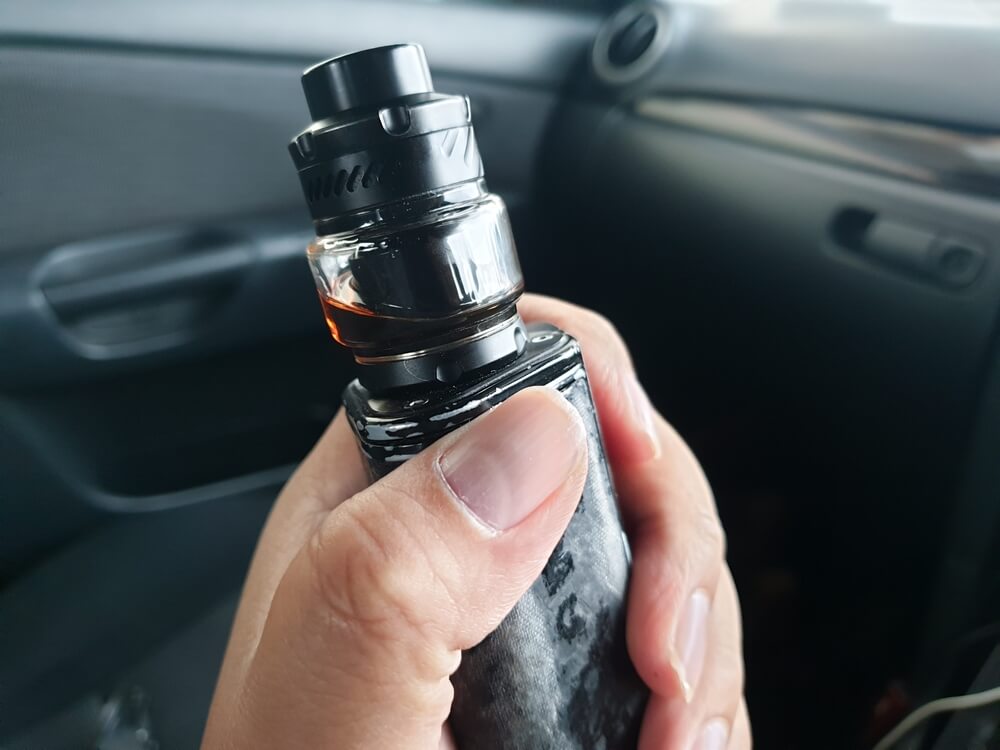
Building your own tank setup turns routine vaping into a hands-on craft where small mechanical tweaks produce dramatic shifts in performance. There's nothing quite like tightening down fresh wire, tucking in clean cotton, and filling the reservoir with an all-day favorite blend. It's pretty frustrating when that initial draw delivers a harsh dry rasp, a gurgling flood, or thin vapor that tastes like warm, empty air. Getting top-tier performance from a rebuildable tank atomizer isn't about luck, but it requires balancing intake velocity, chamber space, and wicking tension inside a sealed dome. Once you learn how to read your tank's physical feedback, tuning your deck for crisp flavor and a solid throat kick becomes second nature.
The Interconnected Mechanics of Tank Performance
When you pull on a rebuildable tank atomizer (RTA), three primary forces shape your session: airflow, throat hit, and flavor. Rebuildables give you direct control over these variables, but because they operate inside an enclosed metal bell, you can't adjust one without shifting the others. These three factors function like interlocking gears inside your atomizer. Adjusting your intake ring or nudging your coil height alters chamber temperature, vapor density, and throat impact simultaneously. Finding the sweet spot means balancing all three factors so they complement each other cleanly.
Air Velocity and Chimney Compression
Airflow in an RTA does far more than cool heated wire; it regulates vapor thickness and chamber heat. Fresh air enters through external base slots, travels through internal deck vents, and sweeps across your coil before funneling up the chimney. Because that chimney narrows the vapor path, incoming air speed dictates vapor concentration. Wide-open slots draw in large volumes of cool air, producing massive clouds that feel light across your palate. Closing down the airflow ring accelerates air velocity across the wire and concentrates thermal energy inside the chamber bell. That restricted pull yields a warm, dense vapor stream packed with rich taste, provided your wicks feed liquid fast enough.
Physical Factors Driving Throat Hit Intensity
Throat hit describes that tactile sensation felt at the back of your throat as vapor lands on your palate. An RTA can deliver anything from a gentle glide to a punchy kick depending on your build setup and liquid blend. Propylene glycol (PG) provides a sharp throat bite, while vegetable glycerin (VG) creates thick, soft clouds with minimal punch. Freebase nicotine hits with a sharp bite, whereas nicotine salts stay smooth even at higher strengths. On the build deck, coil elevation relative to the internal air outlet transforms the draw completely. Lifting your coil slightly above the deck vent forces air to wrap beneath the wire before climbing the chimney, creating an intense, warm throat punch.
Flavor Extraction Through a Domed Chamber
Flavor clarity in an RTA relies on efficient vapor travel through a compressed space. Unlike open dripping atomizers, an RTA uses a curved chamber dome that bounces vapor downward and channels it straight into the chimney. This compression concentrates aromatic compounds before they reach your drip tip. E-liquid flavorings vaporize at specific heat thresholds. Bright fruits and menthols shine at moderate temperatures with brisk air movement, whereas rich bakeries and custards need concentrated warmth inside the bell to reveal their deeper undertones. When your airflow sweeps evenly across the entire coil surface, you get vibrant top notes on the inhale and complex layers on the exhale.
Inside the RTA: Architecture, Decks, and Mod Synergy
Before you can fine-tune your setup, you need a firm grasp on what sets an RTA apart from drippers and pod cartridges. A Rebuildable Tank Atomizer combines an internal build deck with an enclosed glass reservoir, connecting to standard box mods via a threaded 510 pin. It gives you full coil customization alongside the continuous liquid supply of a traditional tank, eliminating the need to drip constantly.
Build Deck Layout and Mod Compatibility
The foundation of an RTA is its build deck, which sits enclosed inside a threaded metal chamber bell. The deck features positive and negative posts, or postless terminal blocks, secured with screws to clamp your wire legs in place. Depending on available deck space, you can run single or dual coils made from simple round wire or complex Claptons. Threading your RTA onto a regulated box mod gives you direct control over wattage and ramp-up speeds. Heavy multi-core wires require higher power from your mod to heat up quickly, while thinner builds need modest wattage to prevent scorched wicks.
Fluid Dynamics and Internal Vacuum Balance
Operating an RTA requires balancing liquid flow with internal vacuum pressure. Unlike an open drip well, an RTA relies on a sealed glass reservoir to regulate how juice feeds your cotton wicks. When you fill the tank and seal the top cap, air trapped in the upper reservoir forms a vacuum seal. Each draw creates slight negative pressure inside the chamber dome, pulling liquid through the wicking ports via capillary action. If your wick channels contain too much cotton, capillary action stalls, causing dry hits. If your wicks are too thin or your tank seals fail, atmospheric pressure pushes liquid past the cotton, flooding the deck and leaking juice through the airflow slots.
Practical Tests to Confirm Your RTA Runs at Peak Output
Checking whether your RTA runs at its best comes down to observing draw resistance, throat sensation, and taste clarity through regular use. Because an RTA hides the build deck inside a sealed chamber, you can't adjust your coils mid-tank without draining the fluid. Dialing in your build requires matching your deck installation to real-world performance indicators while you vape.
Testing Airflow Stability and Intake Dynamics
Your RTA's airflow path controls how cleanly vapor travels from the deck through the chimney. You want an intake that pulls steadily across the wire without generating annoying noise or turbulence.
Evaluate whether your intake velocity matches your build by looking for these operational signs:
- Listening for a smooth, steady draw: A well-configured deck pulls air across the wire with a consistent whoosh rather than generating a sharp whistle, hollow flutter, or wet gurgle.
- Checking draw resistance against cloud density: Your draw should feel firm and deliberate throughout an inhale, matching the thickness of the vapor rather than feeling thin, hollow, or restricted like a clogged straw.
- Monitoring heat retention along the tank base: The glass and chimney should remain comfortably warm during extended draws without turning painfully hot against your lips.
If your tank emits a loud whistle when you take a drag, air is catching on an obstruction or splitting awkwardly across your coil edges. Since you can't view coils through filled glass, wait until the tank empties, disassemble the base, and check your wire alignment on the dry deck. Center your coil directly over the internal air outlet with about one millimeter of clearance; lifting it higher creates turbulence and risks shorting against the chamber roof. If your vapor feels cool and thin, restrict the outer intake ring to boost air speed across the wire. If the tank base becomes scorching hot after three pulls, open the airflow ring wider or lower your mod's wattage by five to ten watts.
Calibrating Throat Response with Coil Elevation
Throat sensation on an RTA should feel punchy, defined, and comfortable. You can tailor that kick by adjusting coil elevation during deck installation and selecting appropriate power levels on your mod.
Confirm your setup delivers an ideal throat response by watching out for these physical indicators:
- Assessing punch without harsh burning: A dialed-in build delivers a solid, satisfying punch against the rear of your palate without causing a raspy burn, coughing, or dry irritation.
- Verifying immediate vapor delivery on fire: Pressing your mod's fire button should instantly produce dense vapor, delivering an immediate throat strike without a sluggish ramp-up delay.
- Observing vapor warmth across a full draw: The temperature of the vapor should stay uniform throughout a three-second inhale rather than starting cold and spiking into uncomfortable heat at the tail end.
When your throat hit feels scratchy or dry, your cotton isn't pulling liquid to the coil center fast enough. The wire ends up vaporizing starved cotton fibers, producing irritating vapor. Drain the tank, remove the deck base, and trim your cotton tails so they rest loosely inside the wicking channels rather than packing into a tight plug. If you're using high-nicotine freebase liquid at high power, dropping your nicotine strength or using a liquid with higher VG content softens the draw instantly. If your throat hit feels weak or flat, lift the coil slightly higher off the deck outlet so incoming air scoops under the wire before heading up the chimney.
Assessing Flavor Clarity and Wicking Balance
Flavor definition is the most reliable sign of a finely tuned RTA. When your coil placement, power level, and cotton density balance the tank's vacuum pressure, your e-liquid tastes crisp, vivid, and multi-layered.
Verify your build extracts rich, accurate flavor profiles by tracking these critical cues:
- Tasting distinct recipe layers on exhale: A properly wicked build presents crisp top notes on the inhale and releases subtle secondary undertones, like sweet bakeries or vanilla creams, on the exhale.
- Watching air bubbles rise through the glass: Small air bubbles should float upward from the juice ports into the reservoir after every couple of puffs, confirming that capillary action is pulling fresh juice into the deck.
- Noticing an absence of spitback and gurgling: The coil should crackle gently as it vaporizes fluid without spitting hot liquid droplets up through the chimney onto your tongue.
If your liquid tastes muted or faintly papery, you've packed too much cotton inside the coil core. Over-stuffed cotton strangles liquid flow, preventing fresh juice from reaching the center of the wire and dulling flavor notes. Pull out the wick, dry-burn your coils at low wattage to clean off residue, and thread new cotton so it slides through the coil with light friction. If you get hot liquid popping onto your tongue or juice leaking out of the bottom air slots, your wick ends are too thin. Loose cotton lets e-liquid flood the deck floor and break the tank's vacuum seal. Rewick with fuller cotton tails that rest gently inside the feed ports, fluff the ends with tweezers, and check that your tank O-rings create an airtight seal.
Finding True Harmony Inside the Chamber
Achieving the right balance of smooth airflow, punchy throat response, and crisp flavor is what makes building an RTA such a rewarding craft. When your coil placement aligns with the deck vents and your cotton balances vacuum pressure cleanly, every drag delivers rich vapor that highlights the truest notes in your e-liquid. Paying close attention to how your tank sounds, how quickly it wicks, and how the draw feels gives you practical control over your setup without any guesswork. Once you dial in those mechanical relationships inside the chamber dome, your custom build will consistently deliver a tailored vape that pre-built factory coils just can't match.
Leave a Reply