
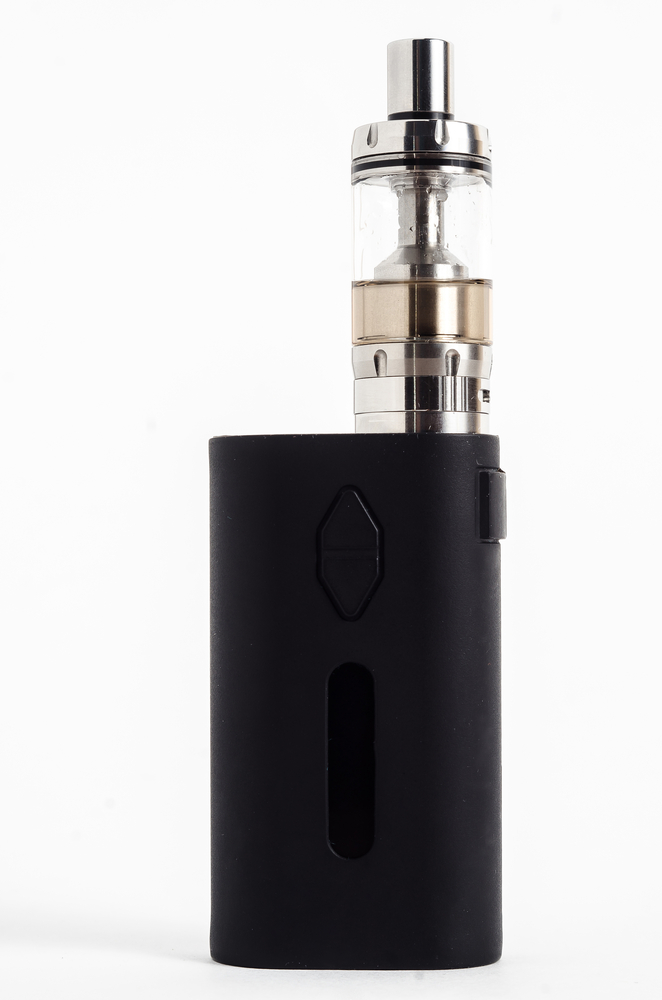
If you've ever pushed your mod past 70 watts during a long session, you know how scorching hot that stainless steel tank can get against your fingers. Most vapers focus entirely on their mesh coils or wicking cotton when heat builds up, overlooking the tiny barriers holding the whole assembly together. High temperatures don't just warm up your vape hardware; they put relentless stress on the rubber gaskets sealing your reservoir. Standard rubber can soften and warp when pushed to its thermal limits, turning an enjoyable afternoon into a pocket full of leaked e-juice. That's where insulated O-rings step in, giving high-powered tanks the thermal defense they need to handle serious heat without breaking down.
The Real Job of an Insulated O-Ring
When you dismantle a sub-ohm tank, it's easy to assume every rubber ring does the exact same thing. Most people figure an O-ring is just there to plug a mechanical gap, but high-wattage vaping asks for a lot more than basic liquid containment. In an open pod system or an older low-power clearomizer, standard silicone handles the job fine because the device operates at mild temperatures. Sub-ohm setups, on the other hand, generate massive bursts of thermal energy right in the center of the tank. Insulated O-rings are specialized elastomeric seals designed to withstand that thermal onslaught while actively blocking heat from migrating into sensitive parts of your vape hardware.
These aren't your typical hardware-store rubber rings. An insulated gasket acts as a thermal barrier, isolating the extreme heat produced by a low-resistance mesh coil from the rest of the chassis. By dampening thermal transfer, the ring stops that heat from soaking straight into the Pyrex glass reservoir, the outer airflow control ring, or down through the 510 connection into your mod. In short, they perform two jobs at once: they lock in the vacuum pressure required to feed e-liquid into your wick, and they protect adjacent materials from heat damage.
Why Extreme Heat Destroys Standard Seals
Sub-ohm tanks operate on delicate internal physics. The reservoir above your coil requires an airtight seal to maintain negative pressure, which stops e-liquid from flooding into the bottom airflow base. When you chain-vape at high wattage, heat quickly bleeds through the stainless steel chimney and coil housing. Standard silicone rings react poorly to sustained thermal spikes, softening noticeably and losing their natural elasticity. Once a seal gets too soft, it relaxes against the glass or metal wall, breaking the vacuum and letting vape juice pour out through your air intake slots.
Heat cycles also create a long-term problem called compression set. Every time rubber gets hot under mechanical pressure and cools down, it loses a tiny bit of its ability to rebound back to its original thickness. Standard gaskets exposed to sub-ohm heat flatten out into thin, hard washers within a couple of weeks. When that happens, your glass tube starts wobbling, threads become sticky, and the tank leaks every time you set it on its side. Insulated O-rings solve this issue through advanced material science that resists thermal degradation, bouncing back to their original profile even after hours of heavy vaping.
Placement and Advanced Heat-Resistant Materials
You won't find insulated O-rings slapped randomly across a tank. Designers position them specifically at hot spots where metal parts meet fragile glass or sensitive electrical pathways. The most critical placement sits directly around the base of the coil head, where temperatures peak during long pulls. Another key spot is the junction between the inner chimney and the top fill cap, which absorbs direct heat from escaping vapor. Many modern tanks also place an insulated thermal ring right at the base of the 510 threaded connector, which stops heat from traveling into your mod's internal battery bay and sensitive circuit boards.
Specialized Elastomers That Take the Heat
Standard commercial gaskets rely on basic nitrile or cheap clear silicone, which work fine for low-temp plumbing but falter under high wattage. Manufacturers of performance sub-ohm hardware choose industrial-grade compounds built specifically for thermal and chemical stability:
- Fluoroelastomer (FKM) Compounds: These heavy-duty synthetic rubbers easily handle temperatures north of four hundred degrees Fahrenheit without softening or losing shape. They're also completely impervious to acidic e-liquid flavorings like citrus or cinnamon that would otherwise degrade cheaper rubbers.
- Fluorosilicone Hybrids: Combining the wide temperature tolerance of silicone with the chemical toughness of fluorocarbons, these rings maintain their shape under heavy mechanical clamping. They won't warp or pinch when you screw your tank base down tight, preserving an airtight vacuum pull after pull.
- PEEK Thermal Isolators: While not traditional rubber rings, polyether ether ketone washers often pair with insulated gaskets near the 510 pin. This rigid, aerospace-grade polymer acts as a physical heat shield, stopping thermal energy from bridging the gap between your hot tank and your mod's firing chip.
Practical Tips for Maintaining Your Tank's Seals
Even the toughest heat-resistant gaskets will fail if they're abused during everyday maintenance. When you tear down your vape hardware for a deep rinse or a coil swap, handling your O-rings with care goes a long way toward preventing sudden leaks.
Stick to these simple shop habits to get the longest life out of your insulated seals:
- Lube every ring before assembly: Never tighten dry metal or glass against a dry rubber ring. Dry friction catches the edge of the seal, twisting or tearing it as the threads seat. A quick dab of fresh e-juice on the ring lets the parts glide together smoothly without pinching.
- Skip the harsh chemical soaks: While insulated rings resist e-liquid flavorings easily, soaking them in pure isopropyl alcohol or acetone for hours will strip away plasticizers and make them brittle. Stick to warm tap water and mild dish soap when washing your disassembled tank.
- Inspect for flat spots during coil changes: Every time you pop in a fresh coil, glance at the rings seated inside the deck and chimney. If a gasket looks squashed, feels hard to the touch, or shows tiny micro-tears along its rim, pull a fresh spare from your packaging bag and replace it right away.
Keeping Your Setup Cool Under Pressure
High-wattage vaping demands hardware that can manage intense thermal stress without dumping a reservoir of e-juice into your pocket. Insulated O-rings act as quiet protectors inside your sub-ohm tank, locking in vital chamber vacuum while shielding delicate glass and internal electronics from punishing heat. Taking a few seconds to inspect these heat-resistant seals whenever you swap out a coil prevents annoying leaks and protects your daily setup. When your hardware runs cool and holds its seal, you get to spend your time enjoying rich, thick vapor instead of constantly wiping down sticky gear.
Leave a Reply