
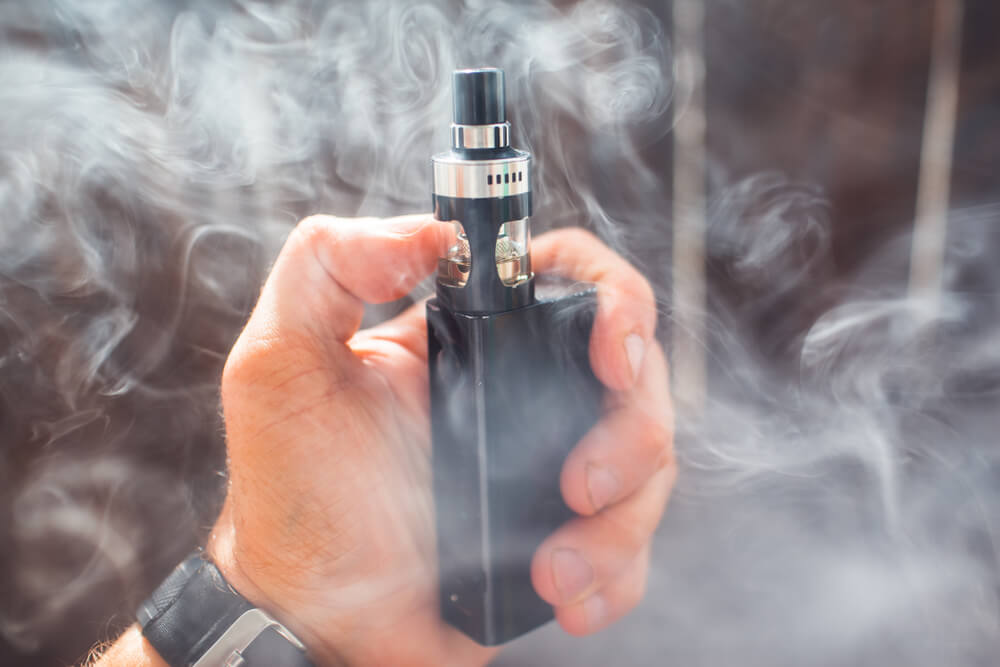
If you walked into a room full of vapers a decade ago, you'd find people constantly tinkering with stubborn gear just to get a decent draw. Back then, getting good flavor meant juggling finicky coils, leaky tanks, and odd manual habits that felt like a chore. Rapid vape hardware improvements changed the whole landscape, trading those frustrating rituals for reliable setups that perform right out of the box. While those old-school workarounds helped pave the way forward, most of them don't have a practical place in a modern setup. Looking back at those vintage routines shows just how far everyday gear has come and why nobody misses the hassle.
What Counts as a True Vaping Method?
When we talk about an actual vaping method, we aren't talking about the specific brand of vape hardware you pick up. A vaping method is the hands-on technique, physical handling, or operational routine you adopt to make that hardware function properly. In the early days, hardware couldn't regulate itself. Chipsets were basic, tank designs leaked constantly, and wicking channels choked on thicker liquids unless you stepped in to help. Because the gear had so many mechanical quirks, vapers had to invent physical workarounds just to keep their atomizers from scorching or flooding.
A true method covers everything from how you prep your coil and balance your e-liquid to how you angle the device or pace your inhale. It's the human effort bridging the gap between raw hardware and an enjoyable draw. As vape hardware evolved with automated wattage regulation, vertical mesh heating elements, and refined airflow designs, the physical demands placed on vapers changed completely. Habits that were once considered mandatory shop wisdom are now obsolete, and sticking to them with modern gear will often ruin your vape juice or singe your coil.
8 Outdated Vaping Methods Left in the Past
As modern engineering solved the airflow, wicking, and heating problems of early hardware, vapers completely walked away from these eight classic workarounds:
- Standard Steeping (Aged Mixing Methods): It used to be standard practice for vapers to mix their own e-liquid bottles and tuck them away in a dark closet for weeks to steep and oxidize. People would shake their bottles daily, burp them to introduce fresh air, and wait for complex flavor notes like vanilla custard or bakery tobacco to blend. Modern flavor chemistry and commercial high-speed homogenization make this waiting game pointless for everyday consumers. Commercial vape juice arrives fully blended and ready to vape straight away, so stashing bottles in a dark cupboard for a month just unnecessarily degrades the nicotine.
- Prime Puffing (Manual Atomizer Priming): Before modern smart chipsets and pre-wicked vertical mesh coils, firing a fresh coil right out of the box meant instant dry hits. Vapers had to perform manual prime puffing by taking sharp, forceful draws without pressing the fire button, creating a vacuum to pull e-juice into stiff silica or dense cotton wicks. Others had to patiently coat tiny exterior juice ports drop by drop. Modern open pod systems and drop-in coils feature absorbent organic cotton and open mesh structures that soak up e-liquid effortlessly. All you've got to do now is fill your pod, let it sit on the counter for five minutes, and start vaping without any manual suction tricks.
- Pulse Firing: Early vape hardware lacked responsive circuitry, and wrapping thick multi-strand wire meant waiting through noticeable ramp-up lag before any vapor formed. To get around this delay, vapers tapped and pulsed the fire button rhythmically for several seconds to pre-heat the metal before taking a drag. Today's devices feature near-instant ramp-up speeds, hitting peak temperature in milliseconds thanks to thin mesh heating grids. If you try pulse firing a modern open pod system or sub-ohm mod, you'll disrupt the wattage delivery, scorch the organic cotton, and burn out your coil prematurely.
- Pulse-Feeding / Manual Pumping: Gravity-fed top-coil clearomizers and early bottom-feeders relied on short wicks that sat high above the e-juice pool. To stop the wicks from going dry, vapers had to constantly flip, tilt, or rhythmically shake their device upside down between puffs to force e-liquid upward. Modern tank architecture relies on vertical liquid channels, negative air pressure, and natural capillary action. The vacuum seal inside a modern tank feeds e-liquid into the heating core automatically, meaning you can hold your vape normally without performing mid-vape gymnastics.
- "Spitback" Management Maneuvers: Flooded atomizer decks were an everyday annoyance years ago, often shooting scalding droplets of unvaporized e-liquid straight onto the user's tongue. To fight back, vapers developed physical clearing methods, like flicking their device hard toward the floor like an old mercury thermometer or holding the mod away to fire it until a loud pop cleared the pooled juice. Today's hardware tackles spitback at the design stage. Modern chimneys utilize conical airflow paths, recessed coils, and integrated mesh barriers that block popping droplets natively, making thermometer-style flicking a relic of the past.
- Aggressive Chain-Vaping (with modern systems): When vapers used heavy wire coils with slow ramp-up times, taking rapid, back-to-back puffs was a deliberate method to hold the coil at a steady operating temperature. Applying that aggressive pacing to modern mesh coils and high-strength nicotine salt e-liquids is a recipe for disaster. Mesh vaporizes e-juice at lightning speed, so chain-vaping doesn't give the cotton enough time to resaturate, leading directly to burnt dry hits. On top of that, modern nicotine salts deliver concentrated hits, meaning rapid-fire puffing will quickly cause unwanted nicotine overexposure.
- DIY Nicotine Dilution and Freezing: In the early era of open-system customization, hobbyists regularly bought large bottles of unflavored, industrial-grade nicotine, often concentrated at 100mg/mL, and stored them in deep freezers to prevent oxidation. Vapers had to suit up with gloves, blunt-tip syringes, and safety glasses to dilute that hazardous base down into a vapeable strength. Strict safety standards pushed high-concentration raw nicotine out of consumer hands. Today, the entire practice has shifted to pre-measured nicotine salt bottles and low-concentration nic shots, removing toxic chemical handling from the kitchen table.
- "Dry Burning" Coils for Cleaning: Vapers running early rebuildable atomizers hated throwing away hand-wrapped wire, so they routinely revived dirty setups through dry burning. You'd pull the old cotton wick out, fire the bare coil until it glowed bright orange to burn off built-up crust, and plunge the glowing metal into cold tap water to shock the gunk away. Health studies eventually caught up with this trick, revealing that heating bare wire to extreme temperatures alters the metal's structure and risks releasing toxic metal oxides. With modern, affordable drop-in coils and throwaway mesh pods, nobody needs to compromise their health just to extend the life of an old wire.
Leaving the Old Workarounds Behind
Stepping away from these clunky manual habits highlights how far everyday hardware engineering has come. We've traded hazardous mixing benches, messy device flicking, and endless coil tinkering for setups that reliably deliver clean flavor with a simple press or draw. Those early workarounds helped vapers navigate tricky gear, but forcing them onto today's automated systems only burns through coils and spoils good e-liquid. Vaping has settled into a straightforward routine where you spend less time wrestling with finicky mechanics and more time enjoying a consistent vape.
Leave a Reply