
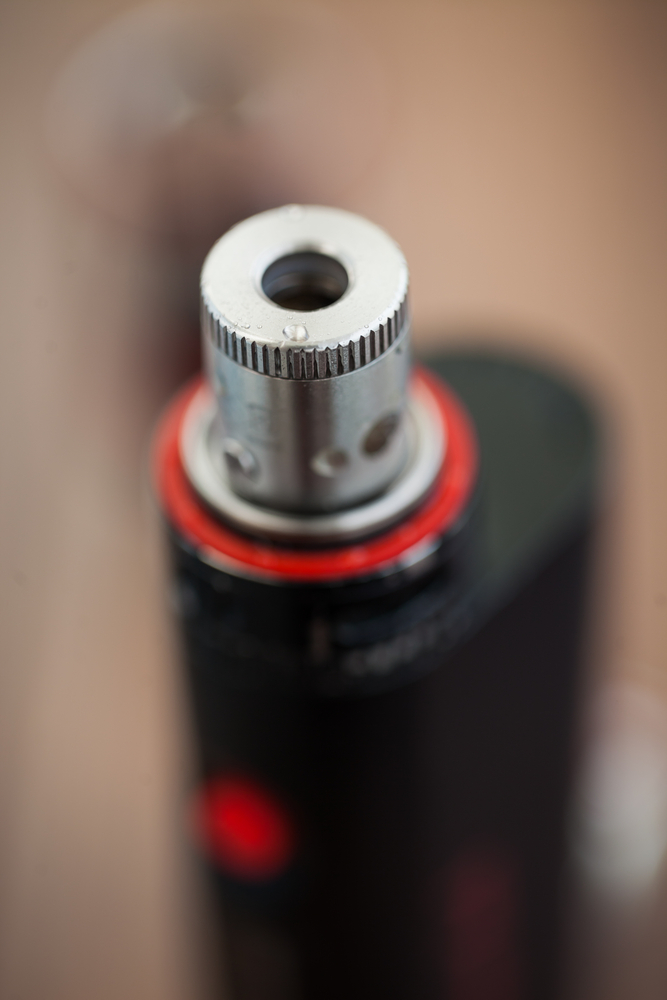
Screwing a fresh RDTA onto your mod offers up that massive flavor of a dripper alongside the pure convenience of a bottom liquid reservoir. However, securing that top-tier performance means knowing exactly how to handle your internal RDTA coils when caramelized sweeteners and residue take over. Tossing a premium set of custom wires out of your top build deck too early throws away good metal and drains your wallet for no reason. On the flip side, dragging out a dead build for too long leads to terrible burnt hits, muted flavor, and messy leaks down into your glass reservoir. Finding the exact sweet spot for a swap requires looking closely at how your e-liquid and heat interact within this unique hybrid tank.
What is an RDTA?
A Rebuildable Dripping Tank Atomizer (RDTA) represents one of the most innovative and versatile designs in the entire vaping landscape. To see how this hardware operates, it helps to look at it as a hybrid system that physically stacks the open build deck of a traditional dripping atomizer right on top of the enclosed glass reservoir of a standard tank. This unique architecture completely changes how e-liquid moves to your heating wires. In a conventional tank setup, the chimney and glass sit above the heating element, forcing liquid to feed inward from the sides through restricted openings. This hybrid configuration flips that blueprint completely upside down by placing the building platform at the very top of the device, directly underneath the mouthpiece, while the e-juice supply sits completely below the deck. This specific arrangement means your vapor travels an incredibly short distance to reach your mouth, providing the unmuted flavor and dense production of a pure dripper without requiring you to constantly pull off the top cap to drip liquid by hand every few puffs.
Looking at the physical construction of these units, they’re engineered out of heavy-gauge metals like marine-grade stainless steel, solid brass, or aerospace-grade titanium to handle intense thermal stress without warping over time. The chassis is a multi-piece assembly held together by thick rubber O-rings and precision-machined threading that must align cleanly to preserve a proper seal. At the device’s very base rests a standard 510-threaded connection pin that channels electrical current up from your power source. Directly above this connection is the liquid reservoir – protected by a transparent tube made of heavy-duty borosilicate or Pyrex glass. This glass section is highly resistant to both intense heat and the corrosive acidic flavor concentrates found in certain citrus or cinnamon blends. Manufacturers shape these glass reservoirs in a couple of distinct formats, including straight glass profiles that remain completely flush with the metal outer trim, or wider bubble glass options that expand outward to hold more e-juice without increasing the overall physical height of your daily setup.
The physical sizes of these atomizers typically range in outer diameter from standard 24mm and 25mm profiles up to massive 28mm or 30mm options built for heavy multi-coil configurations. Inside the glass section, you will see thin metal tubes or open slots extending from the top deck down to the very floor of the reservoir. The build deck itself sits right above the glass line, acting as a false floor for the upper atomizing chamber. This deck features raised metal posts with machined slots and tightening screws where you anchor your wire leads, utilizing styles like Velocity posts, clamp decks, or postless configurations. To get the e-juice up to this top deck, the building platform features cutout holes right next to the posts, known as wicking ports.
Now, when building the atty, you thread your organic cotton through the center of your wire loops and extend the long tails of the cotton straight down through these wicking ports, letting the cotton strands hang directly into the liquid reservoir below. This layout relies on simple capillary action and gravity; when you tilt the device to take a hit, the e-juice sloshes upward, saturating the hanging cotton tails, which rapidly draw the liquid straight up to the main heating zone.
Airflow mechanics are of course, a major highlight of this platform, utilizing a nice airflow layout that delivers completely unheated, fresh air straight to the active heating elements. Because the build deck sits at the top of the device rather than being buried deep inside a central chimney dome, the air intakes are positioned directly on the outer metal top cap, level with the wires. This side-airflow or top-diagonal airflow system pulls fresh air from the outside environment and smashes it directly into the sides of your glowing wires the exact instant you press the firing button. This short, direct path prevents the vapor from warming up too much or losing its complex flavor notes, sending a massive, dense cloud straight up through a wide-bore 810 drip tip. The airflow control ring is completely adjustable, letting you rotate the outer sleeve to open up massive slots for an unrestrictive draw, or restrict the openings down to tiny pinholes to build up internal heat and pressure.
This physical adaptability makes these top-deck atomizers incredibly versatile, as they can be configured for either traditional standard vaping or high-powered sub-ohm vaping. A user who prefers a cool, restricted standard draw can install a single, thin wire strand with a high electrical resistance above 1.0 ohm, closing the air slots down to run the device at a modest ten to fifteen watts. Conversely, an experienced cloud-chaser can utilize the wide open spaces of the top deck to drop in massive, low-resistance dual mesh or multi-strand configurations that register deep in the sub-ohm zone, opening the air channels fully to push the setup well past one hundred watts.
This wide operational spectrum means these atomizers match up perfectly with modern regulated box mods, which use smart internal microchips to read your ohms and safely deliver consistent, regulated power. They are also highly sought after by mechanical mod hobbyists who run unregulated tube devices or heavy box setups. When pairing this style of atomizer with a pure mechanical device, the raw battery voltage slams straight into the top deck without any safety overrides, requiring the user to have flawless knowledge of battery discharge rates, continuous amp limits, and electrical physics to prevent pulling dangerous current loads from their rechargeable cells.
The Other Components of an RDTA Being Those Coils
While the heavy metal chassis, adjustable airflow sleeves, and bottom glass reservoirs manage the storage and routing of your e-juice, the real work happens directly on the building posts. The wire coils you install onto the deck function as the physical engine of the whole system, acting as a resistor that converts raw electrical current into intense heat to vaporize your liquid. Since this platform requires you to manually mount and tune your own heating elements rather than screwing in a sealed, throwaway plastic factory cartridge, the type of wire you choose dictates your entire experience. These heating elements are generally split into two distinct categories based on how they are manufactured and prepared for the deck.
Pre-Made Coils
Pre-made options are pre-packaged heating elements that arrive at your build station completely wound, shaped, and cut into uniform loops by commercial machinery or professional wire builders. These units are sold in small plastic vials or padded metal tins, arriving with perfectly straight, extended wire legs that can be dropped straight into your deck terminals without requiring any manual winding on your part. They are frequently offered in advanced, multi-strand configurations like Aliens, Fused Claptons, Framed Staples, or braided wires, which wrap micro-fine outer strands around heavy internal core wires. This layered texturing creates thousands of microscopic pockets that trap e-juice right against the hot metal surface, producing incredible flavor depth and massive vapor density.
However, it’s important to note that pure pre-made options aren’t as common to find for this specific top-deck platform compared to standard sub-ohm tanks or traditional drippers. Because this hybrid layout relies on long cotton tails hanging down through specific deck holes into a bottom reservoir, the spacing and position of the coil loops must align perfectly with the wicking ports to prevent performance issues. A generic pre-wrapped wire bought off a shelf might have legs that are twisted the wrong way, or an inner diameter that is too narrow to hold enough cotton to plug the deck holes correctly. If the cotton wick is too thin for the port, the internal seal fails, and e-juice will pour straight out of the tank when the device is tilted. For this reason, while pre-wrapped options exist and offer an easy shortcut for vapers who want complex wire textures without the labor of spinning metal, many hobbyists find that off-the-shelf options require too much manual bending and tweaking to sit right on a top-deck build platform.
Custom Coils
Custom options represent the absolute backbone of the top-deck rebuildable experience, and winding your own wire from scratch is very common among dedicated users of this hardware. To create a custom setup, a builder selects a raw spool of wire in a specific metal composition based on their personal performance goals. Kanthal A1 is a classic choice for pure wattage stability, Nichrome 80 offers an incredibly fast ramp-up time for immediate vapor production, and Stainless Steel 316L provides a clean flavor profile while working flawlessly in both standard power modes and advanced temperature control settings. Using a manual wrapping tool like a stepped coil jig or a set of precision drill bits, the vaper wraps the raw wire by hand, carefully counting every single loop to control the exact width and inner diameter of the finished piece.
Hand-crafting your own elements is the preferred method for this hybrid platform because it gives you absolute control over the physical size of your build. You can wrap a coil with a wide 3.5-millimeter or 4.0-millimeter inner diameter, which ensures that the cotton wick running through the center will be thick enough to completely fill the deck's wicking holes, creating a perfect structural seal against the bottom reservoir. You can also adjust the number of wraps to perfectly span the physical distance between your deck posts, preventing you from having to bend or distort the wire legs to make them fit. For users who prefer running these devices on unregulated mechanical mods, wrapping custom elements is a mandatory skill.
Due to a mech mod lacking buttons to adjust power, altering the physical mass and resistance of your custom hand-wound wire is the only safe method available to regulate the wattage output and amp draw on your battery cells. It requires more setup time and a solid grasp of basic electrical safety, but it remains the most popular approach because it tailors the hardware perfectly to the unique wicking demands of the top-deck layout.
Timing Your Coil Swaps
One of the single greatest structural advantages of running this hybrid top-deck system is that you do not have to throw away your entire heating assembly the second your e-juice begins to taste muted or stale. When caramelized sugars and carbon gunk coat your wires, you can simply pull out the old, degraded cotton wicks, pulse the firing button on your mod at a low power setting to incinerate the residue, and rinse the bare metal clean before threading fresh cotton tails down into the bottom reservoir. This quick refreshing process can be performed multiple times on a single set of custom or pre-wrapped wires, allowing a single build to last for weeks at a time. However, even the highest-grade metal alloys are subject to eventual degradation due to constant intense thermal expansion, chemical reactions with flavorings, and physical metal fatigue.
Grasping the clear line between a build that simply needs a brief dry-burn cleaning and a set of wires that is genuinely dead is vital for your safety, your wallet, and your daily vaping quality. Running a worn-out build far past its prime results in a permanent metallic aftertaste, unstable resistance readings that confuse your mod's chipset, and a total breakdown of heat distribution that leads to constant dry hits. By taking a close look at the visual condition, structural rigidity, and electrical stability of your wires every time you pull out your old cotton for a refresh, you can identify the exact moment to unclamp your post screws and start fresh.
Right Time to Swap Out Coils
Your top-deck build platform will give you very obvious, physical warning signs when the internal metal has reached the end of its useful lifespan. Pay close attention to how the metal reacts after you burn off the surface gunk, and look out for these specific indicators that prove it is time to throw the old build away:
- Severe Pitting and Permanent Surface Oxidation: After dozens of heavy heating cycles, the outer layers of your stainless steel or nichrome wires will undergo permanent chemical changes. If the metal retains a dull, dark, rough, or heavily pitted texture after you clear away the carbon crust and rinse the deck, the wire is physically degrading and will continuously impart an unpleasant metallic taste to your e-juice.
- Unstable Resistance Fluctuations on Your Mod Screen: A healthy, properly mounted wire build should always register a completely static resistance value on a regulated box mod. If your screen displays an ohm reading that jumps erratically up and down by 0.10Ω or more during a hit, the internal core strands of your wire have cracked or fractured from thermal expansion. This unstable path creates an unpredictable electrical circuit that can cause dangerous current spikes, making the build entirely unsafe to run on an unregulated mechanical mod.
- Physical Drooping and Weak Structural Temper: Intense high-wattage vaping slowly alters the physical temper of metal strands, causing them to lose their natural spring and rigidity. If noticing your coil loops are sagging, warping out of a perfect round shape, or bending down toward the deck, the wire can no longer distribute heat evenly. This structural failure creates immediate hot spots that will scorch your fresh cotton wicking tails the moment you apply power.
- Microscopic Cracking of the Outer Wrapping Strands: On complex wire styles like fused Claptons or aliens, the ultra-thin outer wrap wire can easily snap or separate from the thick inner cores due to intense heat stress. Once this outer shell fractures, it creates a permanent internal short circuit within the wire assembly itself that cannot be worked out with your ceramic tweezers. This broken section will instantly glow bright red-hot when fired, burning your e-liquid and ruining your taste profile.
- Brittle, Fractured Wire Legs Inside the Post Terminals: The straight legs of your wire experience the highest amount of mechanical stress because they are compressed tightly beneath your deck screws. Over weeks of thermal cycles combined with the physical tugging of pulling out old cotton tails, this compressed metal becomes incredibly brittle. If a leg snaps or cracks completely inside the post hole during a re-wicking session, the electrical loop is permanently broken, and the build must be discarded.
- A Complete Loss of Metal Elasticity During Dry Burning: When you attempt to clean your wires without cotton installed, a healthy alloy should glow evenly from the inside out and return to a stable state quickly. If the metal takes an unusually long time to heat up, glows in dull, uneven patches, or develops dark spots that refuse to clean up under a light water rinse, the metallurgical properties have failed completely. Running this worn-out metal causes uneven vaporization, meaning certain areas of your wick will remain soaked while others scorch instantly.
Wrong Time to Swap Out Coils
Because a rebuildable top-deck setup operates at the intersection of gravity, capillary action, and high electrical current, many performance drops are caused by external factors rather than dead metal. Before you unclamp your building posts and throw away a premium set of coils, check for these common false alarms that can be fixed in a few minutes:
- A Thick Accumulation of Dark Surface Carbon: Seeing your shiny custom wire turn entirely black and crusty after a single day of vaping a sweet dessert e-juice can be alarming, but it does not mean your hardware is dead. This black layer’s merely caramelized sweetener from your vape juice sitting on top of the loops, which can be easily cleaned away by pulling the cotton, pulsing your mod at 20W until the wire glows orange, and rinsing the deck under water.
- Sudden Dry Hits Caused by Poor Tilting Habits: If you begin experiencing dry, burnt hits on a fresh build, do not blame the metal wire structure. Because the reservoir sits below the build deck, you must physically tilt the device back toward your face when taking a hit to slosh the e-juice up onto the hanging cotton tails. If you keep the device completely flat or upright during a long session, the top section of the wick will dry out completely, a user habit error that is fixed by a simple tilt rather than an unnecessary wire replacement.
- Loose Post Screws Creating Fluctuating Readings: A jumping ohm reading on your digital screen does not always mean the core of your wire is broken or fractured. The intense temperature shifts of daily vaping cause the metal posts and deck screws to expand and contract, which naturally backs the screws out of their threads over time. Taking a hex key or screwdriver and tightening the terminal screws down firmly against the wire legs will instantly stabilize your resistance and restore a perfect circuit.
- Persistent Spitback From Loose Cotton Wicking Ports: If your device begins popping loudly and shooting hot drops of e-juice up the drip tip, your coils are not failing. This annoying issue happens because your organic cotton tails were pulled too thin through the deck's wicking holes, allowing excess e-liquid to flood up from the bottom reservoir and puddle directly on top of the hot wire. Pulling out the old cotton and re-wicking with a thicker, denser strip that snugly plugs the deck holes will stop the flooding instantly.
- Lukewarm Vapor Output From Battery Power Sag: When your rechargeable cells drop down to their final ten percent of capacity, your regulated box mod will automatically throttle the voltage to protect the battery chemistry. This power drop results in a painfully slow ramp-up time, cold vapor, and flat flavor that mimics a worn-out build. Placing your batteries on a dedicated charger or swapping in a fresh set will instantly bring the device back to its peak performance, proving the installed wire has plenty of life remaining.
- Vapor Lock From Tight Top Caps and High Vacuum Pressure: Sometimes an RTA or RDTA can develop an internal pressure lock when the top cap is sealed down too tightly after a refill. This trapped air pressure prevents the e-liquid in the bottom tank from climbing up the cotton wicking tails via capillary action, leading to sudden dry hits on perfectly good wire. Simply loosening the top cap for a brief second breaks the air pocket and lets the liquid flood back into the deck, instantly reviving your flavor without a teardown.
Tuning the Top-Deck Hybrid Engine
Overall, Running an RDTA gives you a front-row seat to the best flavor output in vaping by parking your build deck right under the drip tip. Due to the fact those coils encounter intensely direct heat from your box mod or mech mod, keeping your vaping sessions clean means knowing how to read the actual condition of your metal wire. Essentially, treating your build platform like a high-performance engine ensures you aren't throwing away good wire over a simple layer of e-liquid residue or a temporary dry hit. Hence, this hands-on approach keeps your gravity-fed wicks saturating flawlessly while locking in the unmuted cloud production this specific platform was built to deliver. So, trust your taste buds over a random calendar timeline, respect the physics of your build posts, and own your rebuildable experience like a professional.