
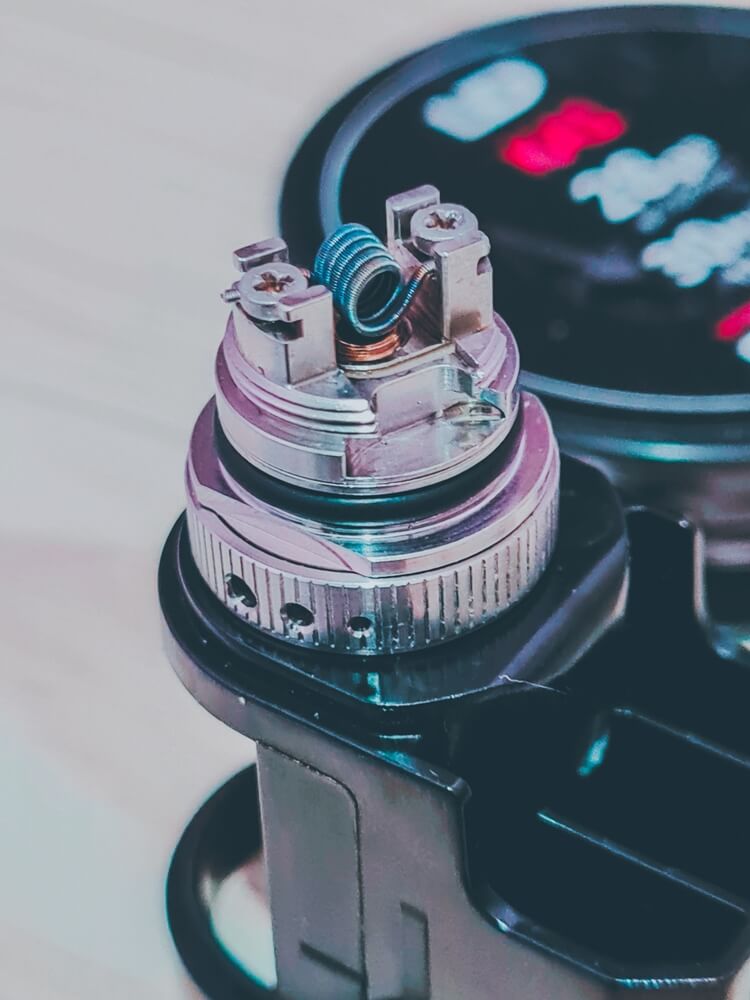
You've probably spent twenty minutes building a tiny coil, threading cotton through the center, and soaking the wick, only to take a drag that feels like breathing warm air through a straw. It's a buzzkill when a fresh build doesn't deliver the punch or taste you were expecting out of your device. Mastering a rebuildable deck isn't reserved for master technicians, but it does require paying attention to how air glides across your heating element. Once you know how to read the physical feedback from your mouthpiece, tuning your rig becomes a quick, rewarding process. A few minor tweaks to your coil height, wick density, or airflow pins will instantly turn a flat pull into a rich, satisfying draw every single time.
Decoding the Fundamentals: Airflow, Throat Hit, and Flavor
When you fire a rebuildable atomizer, three core factors determine whether your vapor feels amazing or totally underwhelming: airflow, throat hit, and flavor. These three components don't operate in isolated vacuums. Think of them as a linked system where shifting one variable creates an immediate reaction in the other two. If you open up your air channels wide without boosting your wattage, your vapor turns cool and airy while your flavor drops off. If you crank up the wattage to compensate without adjusting your intake, you'll overheat the chamber and burn through your cotton. Finding your ideal draw means getting these three variables to work together in harmony.
Airflow as Air Path Velocity and Thermal Control
Airflow in a rebuildable setup acts as both your cooling system and your vapor delivery highway. As you draw on the mouthpiece, fresh air enters through intake slots or bottom air pins, traveling straight into the build chamber. That air sweeps across the heated coil wire, picking up vaporized liquid before carrying it up the chimney to your lips.
The speed and volume of air moving through the chamber dictate vapor warmth, cloud density, and draw resistance. Wide-open air channels bring in a massive stream of ambient air, keeping your coil cool even when you push high wattage. This setup creates huge, smooth clouds, but if the air volume outpaces your liquid vaporization rate, it dilutes the vapor concentration, leaving you with a cool, watery pull. Closing down your air intake restricts oxygen flow, trapping heat inside the small chamber space. That restricted draw produces a warm, dense vapor stream that concentrates liquid flavorings, though you've got to make sure your wicks stay wet so you don't scorch your cotton.
The Physics Behind Throat Hit Satisfaction
Throat hit refers to that distinct physical punch or tactile feedback felt in the back of your throat during an inhale. Some people love a smooth, silky pull that glides down effortlessly, while others want a sharp, pronounced kick that feels heavy and bold. That physical hit relies on three main variables: nicotine type, base liquid ratios, and vapor warmth.
Freebase nicotine produces a naturally sharp, noticeable throat kick that gets punchier as nicotine concentrations rise. Salt nicotine blends, by contrast, feel remarkably smooth even at elevated strengths because the added acid lowers the liquid's pH level. The ratio of propylene glycol (PG) to vegetable glycerin (VG) also drives this sensation; PG is thin and provides a sharp throat bite alongside strong flavor carrying power, whereas VG is thick, producing dense, smooth clouds with very little throat irritation. Temperature acts as the final multiplier. Raising your wattage or elevating your coil position closer to the drip tip increases vapor heat, sharpening whatever throat response your liquid formula produces.
Extracting Pure and Layered Flavor Profiles
Flavor extraction depends on how cleanly your coil heats your e-liquid without scorching the delicate aromatic compounds inside the bottle. E-liquid flavors are complex blends, and different taste notes vaporize best at varying thermal points. Bright fruits, citrus, and cool menthols usually shine at moderate temperatures with open air, while rich custards, deep tobaccos, and sweet bakery profiles need extra heat inside the chamber to fully open up.
When your build runs in its sweet spot, you'll catch distinct top notes on your initial draw followed by a pleasant, lingering finish as you exhale. If your air intake brings in too much room air, those delicate flavor notes get washed out, leaving you with a dull, watered-down profile. Conversely, running excessive wattage with choked-off air cooks your juice instead of vaporizing it cleanly. That leads to a bitter, burnt, or artificial taste that ruins your cotton and forces you to re-wick prematurely.
Defining an RBA and How It Fits Modern Vaping Gear
An RBA, or Rebuildable Atomizer deck, is a specialized build base that lets you wrap your own wire coils and install custom cotton wicks instead of relying on disposable factory coil heads. Originally, RBAs were simple screw-in decks made to replace stock heads in clearomizers and early sub-ohm tanks. Today, the concept has evolved dramatically, expanding into compact pod mods, bridge systems, and custom tank housings.
What makes modern RBAs so popular is their incredible versatility across different hardware platforms. You'll find tiny RBA decks designed to snap directly into pod mod cartridges, as well as full-featured RBA bridges engineered for specialized high-capacity pod housings. Instead of tossing away a plastic coil head every week, an RBA gives you an open deck with post screws, a small juice well, and dedicated airflow channels. You can install a micro-Clapton coil for a warm direct-to-lung draw or set up a small round wire build for a tight mouth-to-lung experience.
Because an RBA shrinks a full rebuildable deck into a compact footprint, it gives you complete authority over your setup's performance. Many modern RBAs feature interchangeable bottom airflow pins or screw-in air reducers that sit directly underneath the coil. This means you aren't just adjusting an outer air ring on your device; you're controlling the exact velocity of air striking the wire from beneath. Whether you're running an RBA inside a sleek pod device or mounting an RBA bridge inside an advanced mod frame, you get the cost savings and flavor clarity of a rebuildable setup paired with the daily convenience of a compact rig.
How to Test and Tune Your RBA for Peak Performance
Once you've installed your wire and threaded your cotton into your RBA deck, it's time to evaluate how it fires. Achieving peak performance requires systematically testing your air path, throat response, and flavor clarity to make sure every component works in sync.
Evaluating Airflow Mechanics and Pin Selection
Your air intake determines the draw resistance, operating noise, and cooling capacity of your build. Because many RBAs use interchangeable air pins, getting the right intake requires matching your pin diameter to your preferred draw style.
To verify your air path is tuned correctly for your coil resistance, watch for these key operational signs:
- Listening for a smooth acoustic draw without whistling: A well-matched airflow pin lets air glide steadily through the deck without generating high-pitched whistles, harsh turbulence, or liquid gurgling inside the chimney.
- Matching bottom pin diameter to your pull style: A narrow one-millimeter air pin creates a tight, authentic mouth-to-lung draw, while a wide three-millimeter pin opens up the deck for smooth direct-to-lung clouds.
- Monitoring deck pressure and condensation buildup: Removing your RBA from its pod or housing should reveal a dry connection base, confirming that air is properly sweeping vapor out of the chamber rather than letting liquid settle under the deck.
If you hear a whistling noise when taking a drag, your top cap air slots or internal pin channels are likely misaligned or holding minor condensation. Remove the RBA, wipe down the air pins and housing bay with a dry cotton swab, and verify the pin is screwed in flush. If your vapor feels thin, cool, or watery, switch to a slightly narrower bottom air pin or dial down your outer airflow ring. Restricting the air velocity increases chamber warmth and concentrates the cloud density. If your mouthpiece gets uncomfortably hot after two quick pulls, install a wider airflow pin or lower your device's wattage by a few watts to keep the chamber cool.
Calibrating Throat Hit with Coil Positioning
Throat hit on an RBA is entirely customizable, but because the build chamber is very small, minor shifts in coil height yield massive changes in physical feedback.
Determine if your setup is delivering the ideal throat kick by evaluating these physical indicators:
- Testing for a crisp throat punch without raw scratchiness: A balanced throat hit feels solid and satisfying in the back of your throat without causing a burning sensation, raw coughing, or dry irritation.
- Adjusting coil height above the air outlet: Raising your coil one millimeter higher off the air pin forces incoming air to sweep under the wire before traveling up the chimney, sharpening the throat kick and increasing vapor warmth.
- Matching liquid formulation to chamber size: High-strength salt nicotine formulas perform best on raised coils with tight air pins, while low-strength freebase liquids shine when paired with lower coil placement and wider air channels.
When your throat hit feels overly harsh or scratchy, your coil is likely positioned too high inside the small RBA cap, placing the hot wire too close to the mouthpiece. Use a coiling rod to gently push the coil down closer to the air pin deck, leaving about one millimeter of clearance so it doesn't short out. If you're running high-nicotine freebase liquid on a low-resistance build, the throat hit will feel overpowering; switching to a salt nicotine blend or a liquid with a higher VG percentage will smooth out the draw instantly. If your throat hit feels completely weak or non-existent, raise your coil slightly higher above the air pin so incoming air hits the underside of the wire cleanly before exiting the chamber.
Diagnosing Flavor Clarity and Wick Saturation
Flavor production is the ultimate test of a well-calibrated RBA build. When your wire mass, cotton density, and air velocity align, your e-liquid will taste bright, clean, and full.
Verify your RBA is extracting peak flavor clarity by checking for these essential cues:
- Identifying distinct flavor layers on both inhale and exhale: A fine-tuned build presents primary taste notes when you draw vapor in, while revealing subtle background flavors as you exhale.
- Inspecting cotton density in the wick ports: Your cotton tails should fill the deck's liquid channels completely without being packed so tightly that liquid flow gets choked off.
- Eliminating hot spots and liquid spitback: Pressing the fire button should yield a quiet, steady sizzle, proving that liquid vaporizes evenly across the wire without popping hot liquid drops into your mouth.
If your e-juice tastes dull, muted, or slightly papery, you've likely stuffed too much cotton into the small RBA wick channels. Excess cotton chokes liquid flow, preventing juice from reaching the coil fast enough during repeated pulls. Pull out the old wick, strum the wire to remove any uneven hot spots, and re-wick using slightly thinner cotton tails that rest gently inside the channel openings. If experiencing liquid popping, gurgling, or leaking down through the bottom air pin, your cotton is too loose inside the coil loop or your wick tails are too sparse. Fluff your cotton ends, make sure the wick fits snugly inside the wire loop with light resistance, and ensure your liquid viscosity matches your build style.
Reaching the Peak of Your Custom Setup
Finding that sweet spot with an RBA isn't about guesswork, but rather getting your airflow pins, coil elevation, and cotton density to work together in harmony. When you pay attention to the warmth, noise, and taste of every drag, small adjustments yield massive upgrades in daily performance. Taking control of your own build deck unlocks a level of vapor quality and flavor precision that off-the-shelf factory coils simply can't match. Apply these testing steps to your current rig, and you'll consistently fire off rich, tailored draws on every single puff you take.