
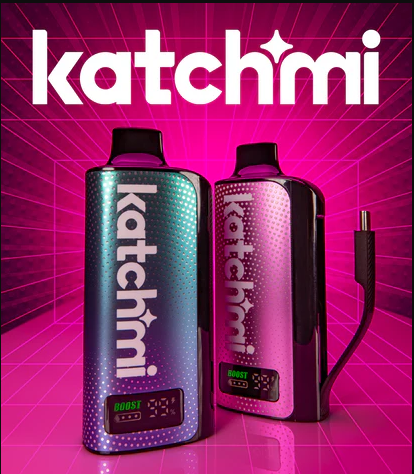
Modern disposable vapes have come a long way from the simple plastic sticks that used to sit silently in your pocket. Today's high-tech setups feature full-color display screens, rechargeable batteries, dual-mesh heating coils, and togglable output settings. Flipping a switch from standard mode to turbo mode fundamentally changes how power moves from the battery to the internal wire. Running an identical preset mode at twelve watts delivers a cool, mellow draw, while firing that same mode at 25 watts generates dense, warm vapor instantly. Getting a grip on how these power thresholds interact with internal chip modes helps you squeeze every bit of performance out of your device.
The Microchip Revolution in Present Day Disposable Vapes
Disposable vapes are no longer basic, single-voltage devices built purely for emergency backup. Modern high-capacity disposables house sophisticated microcontrollers that rival the technology found in traditional pod systems and even some pod mods. These small chips control power delivery to internal heating elements, manage battery charging cycles, and display real-time fluid and power metrics on animated screens. Because these devices come pre-filled with liquid and sealed cotton wicking, you cannot simply swap out a scorched coil or re-wick a dry deck. That physical reality makes smart power management critical to the user experience.
The internal heating architecture in an advanced disposable usually features dual-mesh coils arranged side by side or wrapped in parallel. These dual-coil setups give the internal chip complete control over how power is applied during a draw. The chipset can alternate power between individual coils to prevent heat buildup, or fire both coils simultaneously to maximize surface area. Operating between 10W-30W, these devices turn small power adjustments into massive shifts in thermal output, vapor warmth, and liquid consumption.
Eco Mode Performance Across Variable Wattage Settings
Eco Mode is designed to maximize puff counts and extend battery life by throttling the amount of electrical power sent to the heating coils. However, how Eco Mode feels in practice depends heavily on the baseline wattage programmed into that specific setting.
Low Wattage Eco Modes: Preserving Battery Life and E-Liquid
When Eco Mode operates at a low baseline, typically between 10W-12W, the internal board prioritizes ultra-low energy consumption. The chip sends a steady, low-voltage signal that fires only one of the internal mesh coils at a time. By alternating between the two coils on consecutive puffs, the device gives each wick time to cool down and absorb fresh liquid.
At twelve watts, this single-coil firing strategy keeps internal temperatures low, preventing the pre-filled juice from vaporizing too quickly. Vapor output is light, discreet, and cool, making it ideal for quiet environments or preserving your battery when you are away from a wall charger. The lower thermal strain also keeps the internal cotton fresh, helping the device hit its advertised high-puff ratings without tasting stale toward the end of the reservoir.
High Wattage Eco Modes: Softening Heavy Hits and Preventing Voltage Drops
Some advanced disposables feature an Eco Mode that operates at a higher baseline tier, such as sixteen to eighteen watts. At this level, Eco Mode takes on a distinct technical role: managing battery voltage sag during long draws.
Even when running at eighteen watts, Eco Mode uses smart pulse width modulation to trim output voltage slightly throughout a four-second draw. Instead of delivering a flat, aggressive current, the chip pulses power rapidly to keep battery discharge steady. This prevents sudden voltage drops that could cause the display screen to flicker or trigger early low-battery shutoffs. You still get satisfying cloud volume from the higher wattage base, but the power curve stays smoothed out to protect battery cells and prevent juice scorching.
Standard and Regular Output Modes: The Balanced Daily Driver
Standard or Regular Mode acts as the baseline operating profile for most screen-equipped disposables. It balances vapor density, battery efficiency, and flavor clarity for everyday use.
Low Wattage Standard Mode for Consistent Mouth-to-Lung Draws
Running Standard Mode at lower power settings, usually around 13W-15W, delivers a classic mouth-to-lung experience. At this wattage level, the chip typically fires a single mesh coil at full regulated power or alternates coils with minimal delay.
Electrical energy flows into the coil wire at a smooth rate, producing warm vapor that highlights complex flavor profiles like mint, fruit blends, or dessert notes. Because fifteen watts generates moderate heat, liquid wicks into the coil center smoothly without dry spots. Battery consumption remains predictable, giving you hours of consistent use before needing a quick USB-C top-up. It represents the sweet spot for users who want reliable throat hit and rich flavor without throwing massive clouds.
High Wattage Standard Mode for Richer Flavor and Dense Vapor
When Standard Mode is tuned to run at higher power thresholds, such as twenty to twenty-two watts, the entire performance profile shifts toward restricted direct-lung territory.
At 22 watts, the internal microcontroller pushes higher current through the circuit, driving rapid thermal transfer across the mesh wire. Liquid on the wick surface vaporizes instantly upon drawing, creating a noticeably warmer and denser cloud. To handle this extra heat, the device relies on open airflow channels to draw in outside air and cool the vapor before it hits your lips. While flavor delivery becomes punchier and more pronounced, the elevated wattage consumes e-liquid at a much faster rate, meaning your total puff count will drop compared to low-wattage operation.
Boost, Turbo, and Pulse Modes with Dual-Mesh Coils
The most dramatic performance changes occur when activating high-power modes like Boost, Turbo, or Pulse. These settings bypass standard energy conservation protocols to unleash maximum power from the internal battery.
Single vs. Dual-Mesh Activation at Mid-Tier Wattage
Many advanced disposables utilize Boost Mode to switch the internal coil configuration from single-coil alternation to simultaneous dual-coil activation.
When Boost Mode operates at a mid-tier power setting, such as twenty watts total, the chip splits that power evenly between both mesh coils, sending 10 watts to each. Firing two coils at this wattage creates a larger total heating surface area than firing a single coil at twenty watts. This distribution of heat prevents localized hot spots while vaporizing a larger volume of e-liquid simultaneously. The resulting hit feels dense, smooth, and full-bodied without feeling uncomfortably hot on your throat, demonstrating how spreading wattage across dual coils refines the overall vapor quality.
Max Power Turbo Spikes at 30W+
Pushing Turbo or Pulse Mode to its absolute upper limit, often pushing 28W-35W, turns an advanced disposable into a high-powered cloud maker.
At 30 watts, the microcontroller channels maximum amperage from the internal lithium battery directly into both mesh coils simultaneously. Ramp-up time is virtually instantaneous. The moment you take a draw, the dual coils blast heat across the saturated wicks, filling the airflow chamber with thick, warm vapor in milliseconds. Many devices display custom screen animations during Turbo Mode to signal this peak power draw. However, operating at thirty watts puts heavy demands on the system:
- Accelerated battery drain: High continuous current pulls deplete small internal batteries rapidly, requiring more frequent recharges.
- Rapid e-liquid consumption: Deep, warm draws at max wattage consume the pre-filled liquid reservoir much faster, cutting total lifetime puffs in half.
- Elevated chamber heat: Heavy heat accumulation inside compact plastic housings requires strong airflow to prevent the mouthpiece from warming up.
Practical Tips for Managing Disposable Output Modes
Getting the most value and performance out of a high-tech disposable comes down to selecting the right mode for your current situation. Use these practical strategies to tailor your device settings:
- Stick to Eco Mode for Maximum Puff Longevity: Run your device in Eco Mode at lower wattage settings when traveling or away from chargers to stretch both battery life and liquid capacity. Dropping power output down to ten or twelve watts alternates firing between single mesh coils, keeping internal heat minimal so your pre-filled reservoir lasts significantly longer.
- Switch to Boost Mode for Instant Vapor Density: Engage dual-coil Boost settings when you want a warmer, punchier draw with richer flavor profiles. Firing both internal mesh coils simultaneously at twenty watts doubles your total heating surface area, vaporizing liquid into thick clouds right away while pulling slightly more juice per puff.
- Match Airflow Settings to Your Power Mode: Open up your airflow adjustment toggles wide when running high-wattage Turbo modes to draw cool outside air straight through the chamber. Adding extra intake air sweeps away excess heat, keeping the plastic mouthpiece comfortable on your lips while protecting internal wicks from drying out.
- Drop Back to Standard Mode When Battery Levels Run Low: Switch back to lower-wattage standard operation if your screen shows battery capacity dipping below fifteen percent. Trimming power demand stops sudden battery voltage drops from triggering early shutdown screens, letting you pull steady hits until you can connect a USB-C cable.
- Pace Your Hits During High-Wattage Operation: Give your device a few seconds to rest between heavy Turbo Mode hits so the internal cotton wicks can soak up fresh liquid from the reservoir. Firing at thirty watts evaporates juice in milliseconds, so taking short breaks keeps the coil core saturated to stop dry hits before they happen.
Maximize Every Puff Using Your Disposable Vape Before the Battery Quits
Having customizable power modes on a disposable bar completely changes the value you get out of a throwaway unit. Balancing quick turbo bursts with steady standard output ensures you burn through your liquid evenly instead of frying the internal wick halfway through the reservoir. Smart power management keeps flavor intensity sharp from the first draw off the charger down to the final drop of juice. Toggling these settings based on your daily routine gives you a tailored experience without ever needing to touch a bottle of liquid or rebuild a deck.
Leave a Reply