
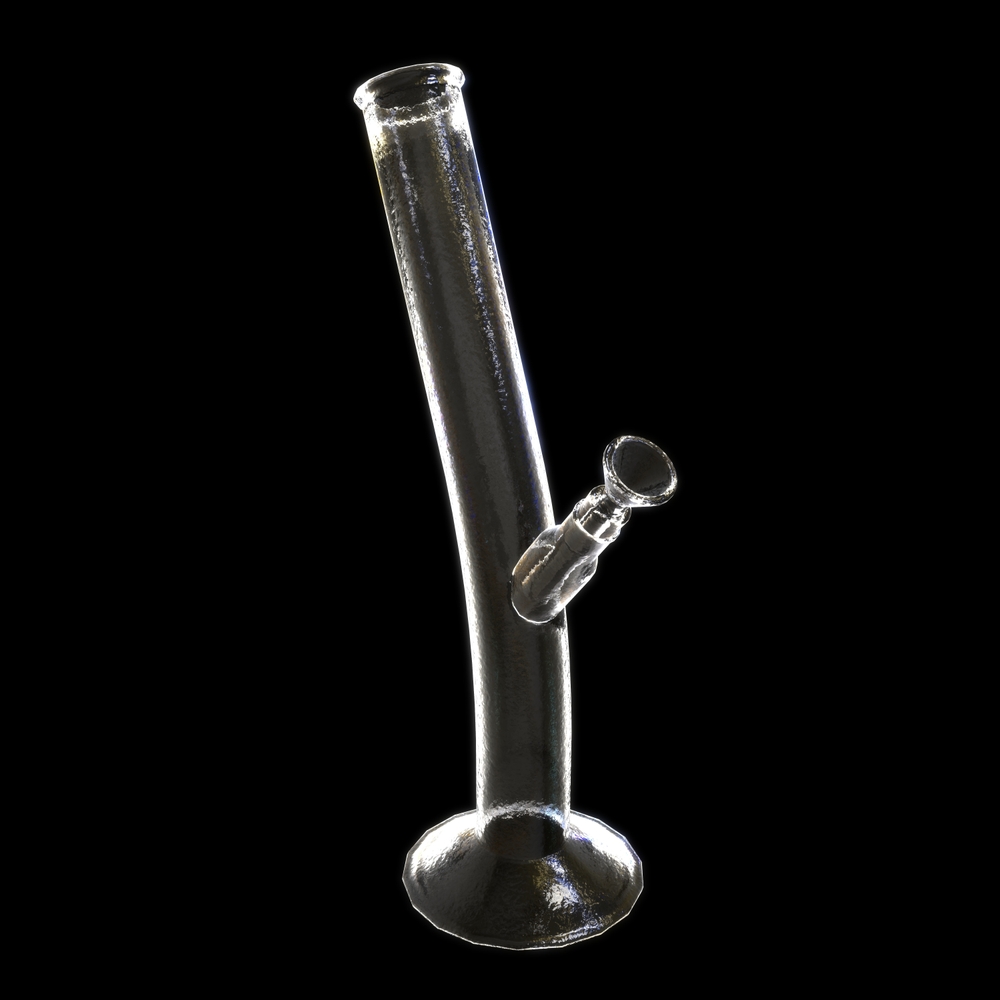
Ordering a beautiful new glass bowl online only to find it slips right out of your pipe or sits at a bizarre, unusable tilt is an immediate mood killer. That hollow clinking sound of mismatched glass components meeting at the wrong setup angle tells you a frustrating return process is on the horizon. A lot of folks guess the sizing by eyeballing the frosted opening, but glass blowing follows standard technical measurements that require precise confirmation. Walking into a shop without knowing the exact dimensions of your setup turns buying a simple attachment into a risky roll of the dice. Sorting out the geometric configuration of your main piece takes just a couple of minutes and protects your workspace from broken glass and spilled water.
Navigating the Complex Varieties of Glass Shapes and Scales
A standard bong is much more than a simple tube; it is a highly evolved piece of functional art available in countless shapes and sizes. When you look at the landscape of modern glassware, you see options ranging from tiny six-inch pocket bubblers to towering two-foot straight cylinders that require immense lung capacity to clear. Beaker bases remain a massive favorite in the community because their wide bottom holds a large volume of water, creating a solid weight distribution that prevents tip-overs. Straight tubes offer a completely distinct airflow rhythm, stacking bubbles up rapidly in a tight column for a fast, direct hit. Beyond those classic foundations, you run into intricate recyclers and multi-chamber systems that loop water through separate glass pathways to cool the vapor continuously. The physical size and internal design change how much suction pressure you need to apply, but every single one of these variations relies entirely on a single opening to function—the joint. This connection point serves as the doorway where your burning material meets the filtration system, making its structural layout the absolute core of your setup.
The Real Consequence of Mismatched Specs
Grasping why these specific dimensions matter saves you from wasting money on glass accessories that end up gathering dust on your shelf. In the glass world, connection points are measured in millimeters, and the industry has standardized three primary sizes: 10mm, 14mm, and 18mm. A 10mm connection is typically reserved for micro rigs and miniature pocket pieces where space is limited and compact airflow is necessary. The 14mm size is the undisputed standard for the vast majority of daily drivers, offering an ideal balance between smooth airflow and sturdy physical size. Heavy-duty pipes and high-airflow straight tubes often utilize 18mm joints to maximize the volume of smoke passing through the chamber. If you try to mix these sizes without a specialized adapter, you lose the airtight seal required to create a vacuum, rendering your entire setup completely useless. Along with the width, you have to look at the gender of the connection. Female joints feature a wide, open socket that receives an accessory, while male joints project upward like a plug. Trying to fit a male bowl into a male downstem is a total dead end, meaning you must identify the exact orientation of your glass before looking at upgrades.
The Geometry of Downstem Angles
The angle of the connection socket introduces an entirely separate layer of physics that dictates how your attachments sit when the pipe rests flat on a table. Most glassblowers construct joints at either a 45-degree angle or a straight 90-degree angle relative to the flat surface below. Beaker bases typically feature a 45-degree downstem because the body slants outward, meaning an attachment needs an equal and opposite slant to stay completely level. Straight tubes and heavy scientific glass pieces almost always feature a 90-degree joint that enters the chamber completely vertical or projects straight out horizontally. If you mistakenly pair a 45-degree ash catcher with a 90-degree straight tube, the attachment will tilt violently toward the sky, causing the internal filtration water to dump backward into your bowl or spill onto your countertop. This uneven tilt also means your burning material will sit crookedly, causing your herbs to slide out of the dish or burn unevenly during your session. Maintaining these geometric alignments perfectly matched renders your setup stable, prevents dirty water migrations, and preserves your accessory functionality exactly the way the designer intended.
Practical Methods to Gauge Your Glass Dimensions
You can skip the frustration of returning mismatched glass pieces by using these straightforward household testing methods:
- The Household Coin Reference Check: When you do not have a metric ruler nearby, everyday pocket change acts as a remarkably accurate sizing gauge for female connections. A standard United States dime measures just under 18 millimeters in total diameter, which means it will sit perfectly flat on top of the rim of an 18mm female joint without slipping down inside the tube. If you try to place that same dime over a 14mm female opening, the coin will completely cover the frosted glass rim like a lid because the opening is physically smaller than the coin. For checking micro setups, a standard AAA battery measures roughly 10 millimeters across, meaning its base will align perfectly with a 10mm mini joint. Comparing your glass opening to these common pocket items gives you an immediate, foolproof answer without requiring any complex drafting tools.
- The Millimeter Ruler Alignment Strategy: If you want an absolute mathematical confirmation of your pipe's specifications, grabbing a basic metric ruler or measuring tape is the most reliable path forward. Place the edge of the ruler across the widest section of the inner opening of a female joint, making sure to measure only the interior diameter of the frosted glass chamber rather than the thick outer walls. For a male attachment, you will want to measure the widest part of the exterior frosted taper right where the glass begins to narrow down toward the tube. A reading close to one centimeter indicates a 10mm micro setup, while a clear 1.4-centimeter line confirms a standard 14mm connection. Spotting a wider measurement approaching two centimeters confirms you possess an 18mm high-airflow system, giving you the exact blueprint needed for your next order.
- The Paper Corner Angle Alignment Test: Determining whether your pipe features a 45-degree or a 90-degree joint orientation requires a quick visual check using the square corner of a standard sheet of paper. Set your water pipe completely flat on a level tabletop or desk, and hold the edge of the paper vertically right next to the joint socket. If the frosted glass tube runs perfectly parallel to the vertical edge of the paper or projects straight out horizontally at a clean right angle, your pipe utilizes a standard 90-degree system. If the joint points away from the paper at a sharp, noticeable slant that divides the corner perfectly in half, you are looking at a classic 45-degree setup. This simple visual guide eliminates any confusion, ensuring your new ash catchers and heavy bowls sit perfectly level with the horizon during your next evening session.
Securing Your Ideal Glass Alignment
Arming yourself with accurate geometric dimensions transforms the way you navigate the sprawling world of glass customization. Instead of crossing your fingers and hoping for a tight seal, you can confidently piece together elaborate filtration chains that operate seamlessly. That perfect, airtight marriage between a polished slide and a sturdy frosted downstem elevates every draw into a smooth, effortless action. Take those few quick measurements tonight, clear away the compatibility guesswork, and build a customized setup that functions flawlessly for the long haul.
Leave a Reply