
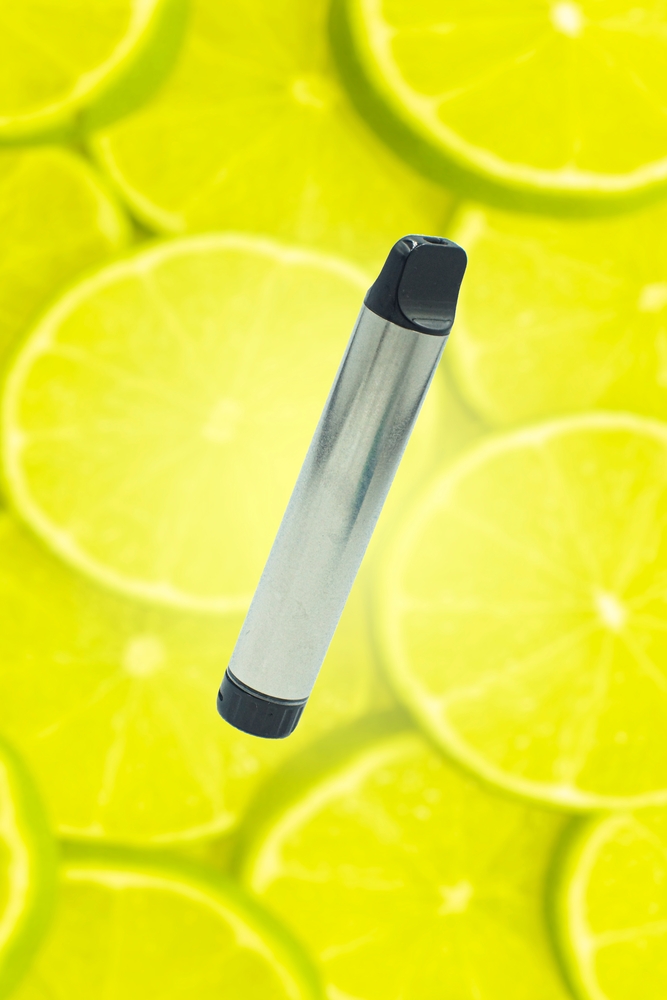
Finding an e-liquid flavor that perfectly keeps those cravings at bay is an absolute win for anyone looking to ditch traditional options. You buy a pre-filled disposable vape at the counter, fall in love with the crisp blue raspberry taste, and immediately want that exact experience in your refillable device at home. Naturally, you grab the matching bottle from the same brand, fill up your pod, and expect a perfect mirror image of that delicious vapor. Instead, the first puff reveals a subtle shift in sweetness and intensity that leaves you wondering if the two e-juice recipes are actually twins or just distant cousins. Unpacking the design choices behind these two setups reveals exactly why the same flavor name can deliver such distinct sensations on your tongue.
What Goes Into Your Daily E-Liquid?
To get a clear grasp on this flavor puzzle, we first have to look at the base components that make up any modern e-juice blend. Every bottle or pre-filled reservoir relies on two foundational carrier liquids known as vegetable glycerin and propylene glycol. Vegetable glycerin is a dense, naturally sweet substance derived from plant oils that is responsible for creating those thick, satisfying vapor clouds when heated. Propylene glycol is a much thinner liquid that excels at carrying the food-grade flavor concentrates and providing that familiar kick at the back of the throat.
When a brand cooks up a recipe, they alter the ratio of these two carriers to control how the liquid wicks into a coil and how it behaves under heat. Bottled options typically look for a versatile fifty-fifty or sixty-forty ratio to make sure the mix runs smoothly across hundreds of distinct open-system devices without causing leaks or dry hits. The thick carrier provides the body of the vapor, while the thin carrier makes sure the flavor molecules stay evenly suspended throughout the mixture so every single puff tastes uniform from the first drop to the last.
Why Nicotine Salts Hit the Spot So Smoothly
The type of nicotine dissolved into that carrier base plays a massive role in how a flavor lands on your palate. Standard vaping products historically relied on freebase nicotine, which has a high pH level that turns harsh and scratchy when mixed at higher concentrations. Nicotine salts change the game entirely by blending that natural extract with a specific organic acid, typically benzoic acid, to lower the overall pH of the solution.
This chemical adjustment creates a highly stable compound that vaporizes beautifully at low temperatures while remaining incredibly gentle on the throat. Because the throat hit is so heavily minimized, your taste buds are not overwhelmed by a raspy chemical burn, leaving them completely free to register the actual flavor notes of the juice. This smoother profile enables brands to scale up nicotine strengths to meet the needs of switching consumers without ruining the sensory experience of the vapor. The rapid absorption rate of these salts closely replicates the quick satisfaction of old habits, making them the absolute baseline for both single-use hardware and open-system pod kits alike.
The Big Divide Between Bottles and Pre-Filled Pods
Even when the underlying chemistry relies on the same style of salt nicotine, the physical housing changes how that liquid is treated. Bottled options represent total user freedom, giving you a sealed container of e-liquid that you manage, pour, and maintain yourself inside an open pod system or an adjustable tank. You control when to swap out a worn coil, when to clean the mouthpiece, and how much power to feed into the heating element.
Single-use devices throw all those maintenance tasks out the window in favor of complete, out-of-the-box convenience. These sealed plastic units arrive pre-charged, pre-filled, and completely closed off from any user modifications. The liquid inside a disposable is trapped in a permanent relationship with one specific built-in coil and a fixed battery source until the entire unit hits the end of its lifespan. This hardware division means that a liquid meant for a bottle must be blended to withstand a massive range of open-system variables, whereas a disposable liquid is custom-engineered to perform under one exact set of unchanging internal conditions.
Breaking Down the Actual Flavor Differences
When a brand creates a popular flavor for a single-use device and then releases a bottled version with the exact same name, they are almost never pouring the identical recipe into both containers. The liquid inside a disposable is aggressively tuned to overcome the limitations of tiny, low-voltage hardware, creating a stark contrast when compared to the balanced profiles found in standard bottles.
The Truth About Flavor Percentage and Sweetener Loads
The most dramatic variance between these two delivery methods comes down to the volume of flavoring concentrates and artificial sweeteners poured into the mix. Single-use devices are loaded with an incredibly high concentration of flavoring extracts, sometimes reaching double or triple the percentage found in standard bottled options. In addition to heavy flavorings, makers dump massive quantities of sucralose into disposables to give them that hyper-sweet, instantly addictive taste profile.
A disposable manufacturer can get away with this heavy hand because the internal coil only needs to survive the few milliliters of juice packed inside the shell before the device is thrown away. If a brand put that exact same level of heavy sweetener into a standard bottle of nic salt, those sugars would quickly caramelize on your refillable pod coils, turning the cotton black and completely ruining your replacement pods within a day or two. Bottled juices must prioritize coil longevity, forcing flavor chemists to use a more restrained, balanced approach to sweetness so your hardware lasts for weeks rather than hours.
How Airflow and Battery Power Change Your Puff
The physical dimensions of the internal hardware shape the path of the vapor before it ever reaches your mouth. Disposables feature an incredibly tight, restricted airflow channel that mimics a traditional draw, paired with a small, low-wattage battery that stays fixed at a low power level. This highly restricted air intake creates a dense, warm, and tightly concentrated stream of vapor that hits a specific zone of your tongue, amplifying the perception of intense sweetness.
Refillable pod kits are engineered with far more versatility, showcasing wider air intake channels and advanced internal chipsets that automatically adjust the power output based on the resistance of your coil. When you take a draw from an open pod system, the larger influx of fresh air spreads the vapor across your entire palate, revealing subtle undertones and complex layers of a recipe. While this open airflow provides a more nuanced tasting experience, it naturally reduces that concentrated, punchy sweetness blast that throwaway devices use to capture your attention.
The Secret Behind the Menthol/Ice Sensation
Take a close look at the ingredient philosophy of almost any dominant single-use vape on the market, and you will notice a cool, refreshing blast at the end of every puff, even on flavors that do not list menthol on the packaging. Brands heavily rely on specialized synthetic cooling agents, such as WS-23, which deliver a chilling sensation directly to the throat without adding any distinct minty taste.
This heavy cooling effect serves a very strategic purpose in low-cost hardware by numbing the palate slightly, which conveniently masks any synthetic chemical undertones or lower-grade flavor extracts used in the production process. Standard bottled nic salts approach these cooling additives with far greater moderation unless the bottle explicitly states it is part of a dedicated frozen line. Without a heavy layer of synthetic ice to mask the recipe, a bottled e-liquid has to rely on pure balance and premium flavoring ingredients to deliver a satisfying vape, resulting in a cleaner, truer representation of the intended fruit or dessert profile.
How Steeping and Storage Time Shift the Taste
Time and environment alter the chemical composition of e-liquid in ways that go far beyond the initial recipe sheet. When you purchase a bottle of nic salt, the liquid remains safely sealed inside an airtight container, shielded from excessive oxygen until you twist off the cap and break the safety ring. Once opened, the liquid begins a natural aging process known as steeping, where the individual flavoring molecules slowly meld with the carrier liquids and round out over time.
Disposables live a completely distinct life cycle, sitting in a state of permanent, forced steeping from the moment they leave the production line. The juice inside a single-use unit stays completely submerged in the internal absorbent cotton padding, in direct contact with the heating wire and internal plastic walls, for months during overseas shipping and warehouse storage. This prolonged saturation period causes the flavor molecules to deeply infuse into the core components, concentrating the mixture and often resulting in a heavier, more syrupy taste experience when you finally open the packaging.
Getting That Intense Counter Taste From Your Refillable Kit
If you prefer the cost savings and reduced environmental impact of a refillable kit but still miss that explosive flavor delivery of a counter disposable, you can close the gap through a few deliberate choices. You do not have to settle for a muted experience if you know how to configure your open hardware to mimic those tight, sweet conditions.
To replicate that punchy single-use performance, try adjusting your daily vaping setup using these straightforward tactics:
- Choose Specialized Bar-Style Vape Juices: Many top juice brands now produce dedicated bottled lines blended with the exact same elevated flavor percentages and cooling agents found in popular disposables.
- Install Higher Resistance Coils: Selecting a replacement coil rated at 1.0Ω or 1.2Ω restricts the vaporization rate, matching the low-wattage heat output of a standard throwaway device.
- Restrict Your Adjustable Airflow Control: Closing down the air intake sliders on your pod system concentrates the vapor pathway, forcing the dense vapor to land directly on your taste buds for maximum impact.
- Stick to a Strict 50/50 Mix: Making sure your bottled juice avoids heavy vegetable glycerin ratios prevents slow wicking and guarantees a fast, bright vaporization process at lower temperatures.
Making these simple adjustments lets you enjoy that vibrant, immediate satisfaction while retaining the freedom and long-term savings of an open pod system.
Real Flavor Freedom Beats a Quick Fix
Stepping away from single-use devices might require a brief period of recalibration for your palate as you adapt to more balanced, complex recipes. Open pod systems reward your patience by revealing the true craftsmanship behind intricate flavoring blends that remain hidden under the heavy artificial sugars of disposables. Transitioning to bottled options grants you complete control over your hardware settings while drastically reducing the pile of plastic and battery waste heading to landfills. Matching a high-intensity bar juice with a tight, low-wattage coil gives you that exact punchy satisfaction on your own terms.
Leave a Reply