
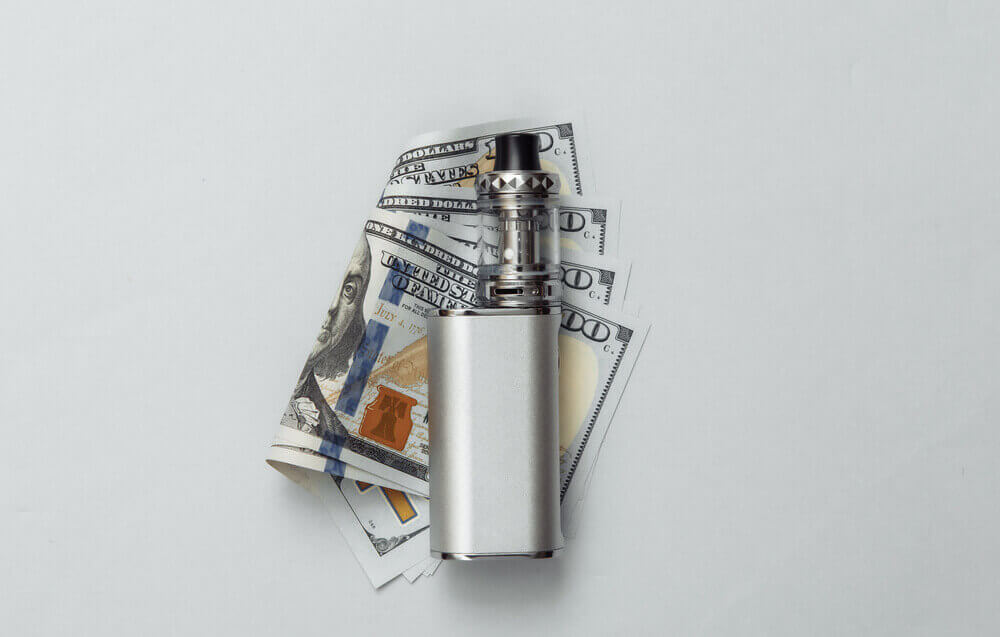
 In recent years, vaping has surged in popularity as an
alternative to traditional smoking. However, as the industry evolves and
expands, a pertinent question arises: has vaping gotten more expensive? To
answer this question comprehensively, we must consider various factors such as
the cost of vaping devices, e-liquids, regulatory changes, taxes, and market
dynamics.
The Cost of Vaping Devices
Vaping
devices come in various forms and price ranges. From simple,
disposable vapes to advanced, customizable mods, the market offers a wide
spectrum of choices:
- ØDisposable
Vapes: Disposable vapes are the most straightforward and
often the cheapest option. They come pre-filled with e-liquid and are ready to
use out of the box. Prices for these devices have remained relatively stable,
typically ranging from $5 to $15. However, the frequency of purchase due to
their disposable nature can add up over time, making them potentially more
expensive in the long run. - ØPod
Systems and Starter Kits: Pod systems and starter kits, such
as the Geek Bar Pulse X and Vaporesso XROS 4, are mid-range options that offer
better value for money. These devices cost between $20 and $50, with refillable
pods or cartridges that users can fill with their preferred e-liquids. While
the initial investment is higher than disposables, the long-term cost can be
lower due to the ability to refill. - ØAdvanced
Mods and Customizable Devices: For enthusiasts,
advanced mods and customizable devices represent the high end of the market.
These devices can cost anywhere from $50 to several hundred dollars, depending
on features, build quality, and brand reputation. Although they require a
significant upfront investment, they often provide a more satisfying experience
and long-term savings due to their durability and the lower cost of e-liquids
compared to pre-filled cartridges.
Overall, the cost of vaping devices has seen modest
increases, primarily driven by technological advancements and enhanced
features. However, the variety of options allows consumers to choose devices
that fit their budget and vaping preferences.
The Cost of E-Liquids
E-liquids, also known as vape juices, are a
significant recurring expense for vapers. The price of e-liquids varies widely
based on brand, flavor, nicotine strength, and bottle size:
- ØStandard
E-Liquids: Standard e-liquids, which come in a range of flavors
and nicotine strengths, typically cost between $10 and $30 for a 30ml bottle.
The cost has seen a slight increase over the years due to inflation, higher
production costs, and the introduction of premium lines with unique flavors and
higher quality ingredients. - ØNicotine
Salts: Nicotine salts, which offer a smoother throat hit and
higher nicotine concentrations, have become popular in recent years. These
e-liquids are usually more expensive than standard ones, with prices ranging
from $15 to $40 for a 30ml bottle. Despite the higher cost, nicotine salts
provide a more satisfying experience for heavy smokers transitioning to vaping. - ØShortfills
and DIY E-Liquids: To combat rising costs, many vapers have
turned to shortfills and DIY e-liquids. Shortfills are large bottles of
nicotine-free e-liquid to which users can add nicotine shots. DIY enthusiasts
mix their e-liquids from scratch, buying nicotine, flavor concentrates, and
base liquids separately. While these options can be more cost-effective, they
require more effort and knowledge to prepare correctly.
Basically, the cost of e-liquids has increased
moderately, driven by higher production costs and consumer demand for premium
products. However, budget-conscious vapers can still find affordable options
through shortfills and DIY mixing.
Regulatory Changes and Taxes
One of the most significant factors contributing to
the increased cost of vaping is the introduction of new regulations and taxes.
Governments worldwide have implemented various measures to control the vaping
industry, often citing public health concerns and the need to curb youth
vaping.
FDA Regulations in the USA
In the United States, the Food and Drug Administration
(FDA) has imposed strict regulations on vaping products. Manufacturers must
submit premarket tobacco applications (PMTAs) for approval, a costly and
time-consuming process. Many smaller companies have struggled to comply with
these requirements, leading to reduced competition and potentially higher
prices for consumers.
EU TPD Regulations
The European Union’s Tobacco Products Directive (TPD)
has also imposed stringent regulations on the vaping industry. These include
limits on nicotine concentrations, bottle sizes, and tank capacities, as well
as mandatory health warnings and product testing. While these measures aim to
enhance safety and quality, they have increased production costs and,
consequently, retail prices.
Taxes on Vaping Products
Numerous countries and states have introduced specific
taxes on vaping products, further driving up costs. For example, the United
States has seen a patchwork of state-level taxes ranging from a few cents to
several dollars per milliliter of e-liquid. In the UK, a proposed “sin
tax” on vaping products could significantly increase prices if
implemented. These taxes are intended to discourage vaping, especially among
youth, but they also burden adult vapers financially.
Market Dynamics and Competition
The vaping market’s dynamics also play a crucial role
in determining prices. Initially, the industry experienced rapid growth and
intense competition, leading to lower prices and a wide variety of products.
However, as the market matures, consolidation and reduced competition can lead
to higher prices.
Industry Consolidation
In recent years, the vaping industry has seen
significant consolidation, with larger companies acquiring smaller ones. This
trend reduces competition and gives dominant players more pricing power. As a
result, consumers may face higher prices and fewer choices.
Innovation and Product Differentiation
On the positive side, innovation and product
differentiation continue to drive the market. Companies are investing in
research and development to create new and improved products, such as devices
with longer battery life, enhanced safety features, and better performance.
While these innovations often come with higher price tags, they offer better
value and improved vaping experiences.
Consumer Preferences
Consumer preferences also influence market prices. The
demand for premium products, such as high-end devices and artisanal e-liquids,
has grown, encouraging manufacturers to cater to this segment with
higher-priced offerings. However, the market still offers budget-friendly
options for those who prioritize affordability over premium features.
The Impact of COVID-19
The COVID-19 pandemic has had a profound impact on
global supply chains, affecting the availability and cost of vaping products.
Factory shutdowns, transportation disruptions, and increased demand for
electronic components have led to higher production costs and delays in product
launches.
Supply Chain Disruptions
The pandemic disrupted the supply chains for vaping
devices and e-liquids, causing shortages and price increases. Many components,
such as batteries and microchips, experienced significant delays, leading to
higher costs for manufacturers and, ultimately, consumers.
Increased Demand
The pandemic also led to increased demand for vaping
products as more people turned to vaping as a coping mechanism during
lockdowns. This surge in demand, coupled with supply chain disruptions, created
a perfect storm for price increases.
So, Has Vaping Gotten More Expensive?
The answer is multifaceted. While the cost of vaping
devices and e-liquids has seen moderate increases, driven by technological
advancements, regulatory changes, and market dynamics, there are still
affordable options available for budget-conscious vapers. The introduction of
new taxes and regulations has undoubtedly contributed to higher prices, but
these measures are intended to ensure safety and quality.
Ultimately, the cost of vaping depends on individual
preferences and choices. Vapers can find budget-friendly options or invest in
premium products based on their needs and priorities. As the industry continues
to evolve, it is essential for consumers to stay informed about regulatory
changes, market trends, and available options to make cost-effective decisions.
Despite the challenges, vaping remains a popular and
viable alternative to traditional smoking. By carefully considering their
choices and exploring different options, vapers can navigate the evolving
landscape and manage their expenses effectively.
Leave a Reply